Episode Transcript
[00:00:02] Speaker A: Welcome to the podcast about Lighting matters. Our unflinching conversations uncover the nuances and complexities which shape the craft of lighting design.
[00:00:11] Speaker B: We explore the pivotal whys behind a lighting designer's choices and find honest answers to your most challenging lighting questions. Because lighting matters.
Hello, everyone, and welcome to the Lighting Matters podcast.
I am so excited to be here today. I'm Lisa Reed with Reed Burkett lighting design in St. Louis, and I'm here
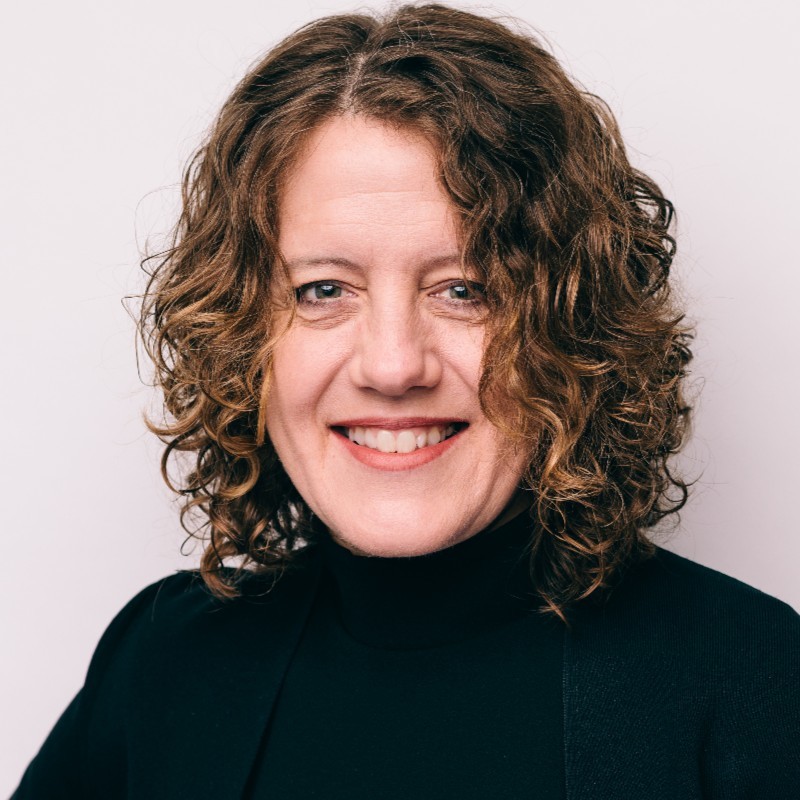
[00:00:38] Speaker A: with my co host, Avi Avi Moore with more lights. And we're so excited to have Amy Bondar with us today. Amy, thanks for joining the podcast.
[00:00:49] Speaker C: Thank you guys for having me. I think, gosh, I don't know if it was a year ago you guys talked about this concept and your ability to spread the word and really impressed with what you guys are doing. So thanks for having me on the podcast. Appreciate it.
[00:01:02] Speaker A: Thank you. I constantly surprised how many episodes we're into on this and that we're keeping it going.
And honestly, the conversations we've had has been really a lot of fun.
[00:01:13] Speaker B: They have been really good, for sure, and so fun. But I'm glad you said that, Amy, because I remember coming to you early with the concept and you were doing a good job of asking us good questions that we needed to think about before we launched.
[00:01:28] Speaker C: So. Yeah, well, I mean, I think to drive change, drive education inside an industry, first of all, you have to have the idea and then you've got to figure out how you get others to surround you and then keep this projecting forward. And what I loved about talking to both of you about this is your passion around that, the training, the education, the communication, and really building this community inside the lighting world. So absolutely. That's a lot of what we do at Lumine as well. And happy to be here to talk today.
[00:01:59] Speaker A: So, Amy, I think your background is so unique and it's one of the reasons why I think you're such a great guest to our podcast. So maybe for those who don't know, you tell us a little bit about your background and how you got into this crazy lighting world that we all love so much now.
[00:02:18] Speaker C: Well, and everybody says once you're in it, you can't leave. So I'm five and a half years in, so that's holding true for sure. So it's exciting.
So, yeah. Amy Bonder. I've been with Luminee truly now about five and a half years. Years. I've got two kids in college, which is its own different challenge from that. Been married 23 years and really Pretty blessed. I've had a great run at my career. A lot of it's happened and unfolded organically. So out of college, got recruited to Black Decker DeWalt and sales and Marketing Machine. They're a power tool manufacturer so learned a lot there, learned a lot about customers, about people, about work ethic and a ton about marketing. So went from there, went to work at Grain Granger Industrial Supply, kind of up the road here from Lumine and a large industrial MRO distributor and learned a lot about, you know, just distribution. But one of the things I picked up along the way there was really diversity of people. Black and Decker, we were all kind of the same. We had a hundred of us coming out of college and at Granger we had a lot of different folks with different experiences. So that really started my maturing, I would say around kind of diversity of talent and kind of how you think about that.
And then I got recruited Advance Auto Parts because that all goes with power tools and distribution.
So I went to advance and I had an amazing leader who taught me a ton. We were in a business transformation situation. We were a hundred year old company and we're really trying to accelerate growth of a billion dollar B2B business and make it 2 billion in five years. And we did that through a lot of different things that we did. And we bought our nearest largest competitor Carquest at the end of it, which was 2 billion. But what it really taught me was a I could do more than I thought.
My boss used to throw me in the deep end and just see how fast I could swim. Which taught me a lot about myself, but also taught me a lot about leadership and how you can give people the rope, you know, proverbial rope if you will, but really helped me understand my passion is around, you know, people systems, transformation, evolution if you will. So that was super fun, kind of helped, you know, in that part of my career. Then I went to work at Bridgestone Firestone and we were also working on transformation. And both of these are retailers effectively. But I was on the beach to be side of it. Always focused on the customer, always focused on people process systems. So we did a lot of change there, grew the business. Then I worked for a company called Tricore Braun which is packaging. And that really got me into the PE side of it. And at that moment in my career I had decided to move from the Fortune 500 companies into something smaller and really take my background of, you know, a lot of people that coach me. I believe in mentoring. I everybody should mentor and you should have multiple mentors and you should mentor other people. Like, I just believe it's the way we all get stronger, better, faster.
And a lot of people said, hey, take your, you know, kind of your big company background training and take it to a smaller company. That's really what private equity companies are looking for because they're investing them to grow. So I worked, worked there, learned a lot, and then enter kind of coming to Lumine and actually it was through a connection. So now I'll talk about networking. I'm very passionate about networking. But a girlfriend of mine in the automotive aftermarket, so advance and Bridgestone, she said, hey, hey, I know you're looking for the next chapter in your career. Why don't you go take a look at Lumine? My, you know, my brother works there. So I said, hey, let me do that. And just sitting down in one conversation at a Starbucks, I fell in love with the culture here. Just, it was just oozing, like now I had a lot to learn because he's like, we just love light. And I'm like, okay. And I said, okay, you know, I gotta learn a lot more about that. Cause I sort of get it, but I know I don't get it at all, but I love the culture. And so when I sat down with the CEO and we talked about a new products machine and where we're gonna drive the business and we're gonna buy different brands and we're gonna create this platform and what we're doing, that also we can support growth in the business and support building out new products. How do we follow trends like miniaturization and, and how do we, you know, how do we help somebody sitting at their desk be able to change the lighting above their desk, make it very personal, right? And again, I'm listening to all this stuff and I still didn't really know that much about lighting, but I'm like, you know, that sounds like a lot of fun. I think I can add some value. And so, you know, you know, here I am. So I've been at Lumine for five and a half years, but it is quite different. We're having a lot of fun, we're growing, but I still have a lot to learn.
[00:06:55] Speaker A: You've talked a lot in the past about how different lighting is from those different businesses. And I wonder if you could capture one or two of your most. Like, those things that are just like, so different that as you got in there, you're like, wow, this is just.
[00:07:15] Speaker C: There are a lot of those. There are a lot of those, when I sit with the board, we're owned by Riverside Private Equity. And so when I sit with them, they've kind of got this method, you know, kind of how they evaluate companies and how they evaluate marketing strategies and sales effectiveness and salespeople effectiveness. And I just sit there and I'm like, well, let me show you our ideal customer profile. And then I lay out the sales process value chain. It really starts with us working with our agents. Okay, so are they the customer? Well, actually, we have to work with the. We'd love to work with the agents to get to you folks who are the specifiers that are actually writing us into your specifications and making these beautiful things come to life. And so it's like, okay, well, so you're.
[00:08:00] Speaker B: We are buying anything, but you're not buying a thing.
[00:08:04] Speaker C: Oh, wait, by the way, the agent doesn't buy anything. We don't transact with the agent. So I'm like, what? Okay, so I now have two very important customers that I need to reach and, and train on our product and inspire them to use our high quality luminaires. And. And then it's like, okay, you got to move through. It's like, okay, where's the GC in this? Where's the EC in this? And then there's this distributor, which are such an important part of the chain. So are they the most important?
Well, that's who buys from us, that's who pays the bill. So they're wildly important, but the electrical contractor is so on and so forth. And then there's always the owner of the building who's funding the project. So, you know, Avi, I think, to answer you, the sales process and how we go to market here is ultimately the most complex that I've ever worked in. And then that drives so many other things. For example, when I do pipeline planning, you know, how are we going to grow the business? You know, where are we, you know, where are we at with different projects? And it's like, well, well, yep, it's going to close. Yep, yep, it's going to close. I talked to somebody. Yep, we're going to get that order or yep, we've signed off on this. That it's like. And then right now, especially post Covid. And now even during tariffs, it's like, okay, hurry up, go fast. Nope. Up. Wait. Oh, go. Nope. Okay, wait, no, let's change this. Right? So then the other piece is just. It's very difficult to forecast, right? So that's a forecasting piece and planning piece. And so like in my past life, you know, you're selling a pallet of cordless drills to Home Depot or Ace Hardware for Father's Day. Well, you know, when Father's Day is, it's the same time every year. You figure out how many stores, how big's the pallet, what's the price point. And you can do what's called demand planning. That's relatively easy. And even in like an Ace or True Value, it's a two step distribution, right, versus Home Depot, it's one versus here. It's like there's multiple people in the chain. Right. And so your ability to plan is just so, so difficult. Now we've worked really hard at Lumine to put systems in place and processes and try to work with our, you know, with our customers to do pipeline planning so we can get ahead of it. I mean, we. 41% of what we ship gets shipped. 41% of our orders get shipped in less than seven days. And considering we're highly configurable, highly modifiable, like, we're really proud of that. But, you know, our supply chain teams have to really get ahead of things. Even things. Like during COVID I called it tsunami planning. I said, this thing's gonna break open, so let's just figure out how to go by, you know, what we think's in the pipeline and what we think are the bread and butter. And then we're gonna have to manage the rest. So. So I would say the other big piece is demand planning. It's just, it's just very difficult to do that in this industry and probably for you guys as well. But compared to other businesses, wildly different.
And there's so many to talk about. I mean, I probably could talk all day, but a couple others that really stick out, like, I've been doing sales and marketing for a long time. I learned how to do recruiting at Black and Decker. We all did it. I mean, right out of college, they trained us all that stuff. I can find an ideal salesperson. I'm good at this. I'm really good at this, right? No, not in this industry.
Because you need people, especially on the specification side of the business. We need salespeople that can speak to you, both of you. They can help you identify a problem you don't even know you have, maybe, right? I mean, that's really a good salesperson. It's a solution sales strategist, right? Somebody that says, hey, hey, Lisa, this looks great. I think I understand what you're trying to do, but there's this one problem over here. Let me talk to you about that, right? Or, hey, what are you trying to do? Let me run back with the engineers. But I gotta be able to translate designer, right. Specifier information into the engineers so they get it. And I have to be smart enough. Amy Bonder struggles with that at times. Like, I can come at the surface level, but people on our team that we have, like Ryan or Taylor or Jana, you know, because all three of them were either engineers or lighting designers, they can talk the technical speak, they can really understand what you're talking about and what you need, and then kind of connect the dots and then work with our engineering team. So you really need this technical expertise, which isn't, you know, always easy to find, but then you have to augment that with sales acumen, right? Like the one sign behind me, you can't see it, it's over here. But it talks about hustle.
Like, they've got a hustle. You got, you know, you don't have time to answer these questions, so they've got to be fast on their feet. They've got to have that account management piece that we need to help us drive the business and support what you're doing and to find that technical lighting acumen and passion. Passion for lighting. Like, again, I still think after five and a half years, I'm starting to get it. But I like when you go to school for it and it's just in your DNA, it's a different level. And when our salespeople can have that, they can really relate to you guys even better.
And create trust, create inspiration with you, you know, to help support what you're trying to accomplish or, you know, how you're looking at architectural designs and, you know, really imagining a great space. Because lighting changes a great space.
In a bad space, lighting matters, okay? In a great space, lighting just can take it to the next level for that architecture, and it's just a whole different thing. And, like, I'm getting goosebumps right now. But to be able to find that hybrid, I call it a unicorn, it has been one of my hardest challenges is to figure out how to recruit that person.
Because we're still a. We're still relatively, you know, we're a rapidly growing company. But I'm not like, at Bridgestone, a $36 billion company where I have a training department to a large degree, somewhat the training department.
And so when you. When you don't have all these internal systems to just train the lighting piece to somebody who didn't go to School for lighting or you know, architecture, engineering, what have you. That part is very difficult. So that's probably the third thing that's really changed. Different.
[00:14:24] Speaker A: Well, and I think you, you bring up a good point in all this. And I'm kind of thinking in the back of my head the cost.
Right. A lot of people talk about, well, lighting's always so expensive and premium brands and lighting designer costs so much. But I think you just talked about, you know, all these players involved, all these things. As a manufacturer you have to track.
Right. That that all takes time and money to manage the sale of a product. We haven't even talked about manufacturing it and shipping it. We're just talking about trying to get the order right. Well, first of all, like we, we started the conversation. You started really with which is awesome, the design of it. Right. Coming from the lighting designers. But after that like the process on how to get that order written is extremely complicated and and then costs something of a manufacturer to get that order.
It's kind of mind boggling that it actually happens too every day.
[00:15:37] Speaker C: I would agree. And if you've ever been at o' Hare airport when people are trying to drop off and the people are trying to leave, thankfully there's not more car accidents because it's just this crazy maze going on. And I think sometimes that's the way I feel here with getting the orders processed and getting drawings approved and getting through revisions, like the amount of manual touching and handholding from everybody in the value chain, it's just, it's mind boggling. And so to your point, all those different touch points costs everybody money and time. And then to make sure we're trying to drive the accuracy of it. So, so one of the things that I've really tried to bring, you know, a strength of mine is, you know, really operational excellence and systems. But we've invested, we've invested in brand new ERP system which is a back end system. We've invest configurators to help us make sure we're configuring the product to make all that process better and simpler. Right. Because the other piece is as hard as that is the speed.
I liken this to Amazon. Amazon has made the entire world, or at least the Bonder household have a different level of expectation of customer experience.
You can order something today and have it on your doorstep tonight if you live in a major city. And if you don't, oh, it's coming tomorrow, big deal. You know, you used to have to wait like months for a refrigerator. You can, I mean, it can just get delivered tomorrow from abt, you know, and so things are different. And so part of the investment also is just in these systems and training to enable the facilitation of that speed that's demanded because of some of the challenges in the planning and, you know, things changing and, you know, even just the macro environments that we're in today, you know, those types of things. So it is really mind boggling how it all comes together. But it's fun. It's fun. If you like puzzles. If you like puzzles and complexity. I find it fun. I really do.
[00:17:46] Speaker B: It takes that kind of brain to be thinking in parallel about all of these things at once to make it work. So I think you said, maybe you're not quite there yet, but I love that you opened with. You were introduced to Lumine by someone saying, we just love light, we love lighting.
And then when you started talking about the process and the complexity of it and how challenging it is, I thought, well, who would do this? If you didn't just love light, what else would make you want to do this?
[00:18:15] Speaker A: Yeah. You didn't go screaming for the mountains. So, you know, yay, you're still.
[00:18:20] Speaker C: Yeah. Thank you. Well, and maybe this is part of what you guys hope to advance forward the conversation with the podcast. But I, I love, like this sounds silly, but I love helping people, I love helping customers and I have the background with process systems, you know, integrations and things like that that I knew I could help. And for me, I wanted to be in a smaller company that was more nimble. I could affect change faster. And for me, like, I believe this industry is going to continue to change and I believe I can help. Right. So whereas I'll call one of the guys on the team, guys or gals on the team to help you with your lighting design, I can help you with. Okay, how do we think about revit file integration? Right. How do we think about standardizing part numbering? So when you look at any one of the six brands we've bought in the past five years, you can look at it and as a designer, you can understand what our part numbers mean, because we're now almost finished with integrating that across every brand. Now we're driving consistency, which hopefully makes us easier to do business with. And so for me, I don't run for the hills now. I will tell you, I just got back from a vacation and I will tell you my head is up the whole time and I'm like looking at the spots, I'm looking at the, like, I'M now a full convert. I'm still, you know, and so you really do see what the lighting does. And I mean, we believe in that. I mean, when you look at my Boss, he's our CEO, he has 240 patents. He spent a ton of time in fiber optics, building companies, building platforms, LEDs, those kinds of things. And he's leading. We have more engineers here than we do salespeople. And that's because we believe in the lighting piece of it and we believe in the product quality piece and we believe in advancing products, again to support the trends. And so it's really inherent in our DNA.
And so if my part is to help move it forward through trying to hire the right people, help build the right culture, sometimes it's better when you don't know kind of the industry or business is because you just ask different questions and you think about things very differently and sort of that. What is that thing? You can see the forest through the trees. Sometimes I'm just over here thinking about something and then I need somebody else to help me connect the dots. But I think that's been helpful to me.
[00:20:52] Speaker B: I'm sure. I was thinking about the size of the companies that you come from and what a different perspective that is. I was just telling my friend yesterday, you know, the, the biggest company I ever worked for was, you know, a large architecture firm, but that's still a small company in terms of, you know, the overall, like, compared to the places you're talking about.
[00:21:12] Speaker C: Thanks. Yeah. You know, in working at Lumine, and again, we've grown very fast. And we've grown very fast because we have great partners like you all, both of you helping us. Thank you. I should have said thank you even earlier, but, you know, we're. We're growing and, you know, we're going to continue to grow. But for me, working at the size of company like this, I think that I certainly have learned a lot at running a smaller business versus a $4 billion company. And so I think that what, what that affords me is a little bit of a better understanding of what you all are going through. Right. Or what an agent principal is going through. Because. Right.
[00:21:53] Speaker B: Because these are all small businesses.
Your customers are almost all small business.
[00:21:59] Speaker C: Exactly. And so we can talk about things and I can say, hey, we're all small businesses. So as we think about data, here's the other piece, Avi. Like, again, back to like, what's different when you work with larger companies like Walmart or, you know, just larger companies, they're, you Know when EDI was a big thing, you know, I'm probably dating myself years ago. But it's just data transfer. Things are a lot simpler here. There's even more complexity with the type of systems that are being used to do quoting and do submittals and everybody's got something different. And so for me, I look at that as a problem I'd like to try to solve collectively. Right, so how do we think about making it easier for you all to get information from our spec sheets or our website, you know, onto your design packages? Right. Or how do we get the quotes to come from us and drop into whether it's Oasis or Agile or whatever the agents are using. And so this idea around data transfer I think is, is wildly complex because of how the market, how we go to market here and because there's so many different customers or needs in the value chain. So I think there's some changes there. But because we're all small businesses, I think if we work together there's not gonna be one answer probably right, there's not gonna be one Microsoft here. But if we could create four or five that we all agree upon and that fit a lot of our needs, I think we can all manage four or five. As a manufacturer, I can't build a hundred different APIs to go to a different quoting softwares. I could probably build five. And so I think with being a smaller company being nimble and us thinking about it again, it gives me the opportunity to ask business owners different questions about things in addition to lighting, but in addition to how they're running their business, what are their challenges? There's the data piece, but then there's the people piece as well.
[00:23:53] Speaker A: So I kind of want to shift a little bit to this idea you talked about like the value chain. And I guess Lisa actually got some feedback that I've been kind of a little too vocal about certain parts of that value chain. I wonder if there is an Amy Bonder spin, you know, maybe not with your company behind it, but it seems to me that the value chain has a lot of people who have or bring zero value to the chain. And it seems to me that there's gotta be a better way to do this, like really to get that order to make that happen, to simplify the communication that happens. You know, obviously systems and things can help that. But I mean, 20 people in the process to make some or 20 companies, even in some of the biggest chains, I don't think there's any system that's going to fix that. I don't know, maybe I'm over complicating it.
[00:25:01] Speaker C: Well, I think that there's a lot of people here that are a lot smarter than I am that can probably answer that question better for you.
What I would say is I do think the systems and technology, things even like AI, we've got to be careful about it, We've got to be very, very thoughtful about it. But I think things like that can potentially help us. But I would tell you, I do think data and systems can help us drive more value. And if that value is the fact that you guys don't have to look back at a design you did because exactly what you wanted came through all the way to the manufacturer, through to the quote. And you don't have to double check it because all the data is moving through the computer versus human hands and unintended fat fingers. I do that. That creates value.
That creates a lot of time value. Whether you use that time to go bill another hour of design work or you go to your take your pet out for a walk or take your kid to, you know, whatever dance recital. I think that, I do think systems can really help. I think that they also help. I think this data accuracy, design accuracy, you know, things like when we have different revisions and maybe it's cause there was a budget cut, maybe it's cause there's a ve involved. Whatever the what is, we all have to figure out a better way to track those changes. So everybody's on the same sheet of music at the same moment in time.
And so I think that there, I think systems can do that now in the meantime, because we don't have that. I think that is where a lot of these other players come into place to like look at things and help drive calculations and drive, you know, different reviews and those types of things. So I don't know if there's an easy answer to your question, but I do think we are continuing to be ripe for some of this information automation and system integration. Without just sounding like I'm some IT buzzword, but I do think we have to think about those things differently. Like even as you guys, you know, a lot of folks, our website is our most important selling asset and our spec sheets are in there. It's like, okay, is it a chicken or the egg? Is it the website or the spec sheet? It's both right at the end of the day and when a lot of our designers, specifiers are trying to do their work late at night. Like we've gotta make it easy. If I could Fig ways to make that easier even to take information off the spec sheet and drop it in again to your package. You know, I dare to dream. Let me, let me get everything on your computer so you can just hit rinse and repeat on, you know, some basic things, you know, maybe some basic items, downlights, cylinders, what have you. I do think there's a piece there that can really work. I also think that we can't forget about this business and the relationship side of it.
And so there are a lot of players in every different area.
A lot of time. Some of those players that have seen that movie before and maybe it wasn't a good movie, like it ran off the tracks. Sometimes some of those players in the value chain create the value to say, hey, wait, hold on, I've seen this problem before or hey, let's take a look at that. And so I think a lot of that tribal knowledge helps. I think also it's business things are going to go wrong.
And so having a wider girth of relationships where we can all partner together to solve the problem versus point fingers, that moves the ball forward. We can do it more effectively and things like that. So. And I think that I'm a little worried about what has happened post Covid on relationships. And back to your question is because a lot of people want to work from home, people are having a hard time in every industry.
But even here I hear it with a lot of customers. I talk to lighting designers. Architects are like, it's hard to get the people in and you need the people to come in to the office because sometimes they don't know what they don't know. They don't know that I could just be working on a design. And hey, I'm getting a cup of coffee and I talked to Lisa and she gives me advice on blah, blah, blah, whatever it is. And, and, and there I don't think that, I think we're, I'm worried about those connections being lost, but the information discussion's not being had in all facets of the business. So those are a couple things I think about that.
[00:29:12] Speaker A: Yeah. And that tribal knowledge doesn't get transferred and then it happens again.
You know, it's interesting. I think I haven't heard somebody say it as well as you did that I think there really is a software problem between a lighting designer to the maybe. So now Elise and I were kind of offline chatting about how our firms each develop designs for different architects. Right. Sometimes you're in revit, sometimes you're not. Sometimes you're Just sketching something, whatever it is. It seems to me that there's like that initial problem, but then beyond that, that's a piece of paper that goes out into the world that then needs to, to go through a distributor, a rep agency, a contractor, sometimes a gcec, blah, blah, blah. And that model number is going to be in Excel spreadsheets and the rep agency's software platform and the distributor's software platform and the manufacturer software platform. And the only way to get from point A to point B is those fat fingers. I've never thought of it that way, that there is all these different systems that, you know, and again, everybody's going to use different things. But if there's a way to streamline those systems and even getting rid of copy paste. Right. Just literally like imports and exports and whatever it may be, it's a very interesting problem.
[00:30:48] Speaker C: Yeah, well, when we figure it out, you know, let's all go have some champagne or something. But I do think we need to talk about it more because it's just time is money and it's changed so much. Right. Nowadays with a lot of these projects, it's, I don't know, five to ten times the effort to finish the projects and things like that.
And so what's really changed? Right. Well, the world's changed, expectations have changed. So then how do we keep up? Because what's happening? Back to your question about cost. What's happening is because we have to touch quotes anywhere from, you know, again, 5, 10, 12 times I talked to an agent partner, said that they touched a project 178 times.
[00:31:32] Speaker B: Wow, okay.
[00:31:33] Speaker C: And so if you just put on your business hat all of us small business ownerships.
Well, I don't own the company, but you two do. But that's profit leaking out the floor. And so what's happened is to keep up with the demand and sort of a lot of the changes in sort of the information that we're getting, whether it's at the agent, you know, and there's multiple reasons for this, but particularly I'll talk about us as the, as the manufacturer. You know, it's not always clear, you know, what did Avi want, what does the owner want? Right. And it's.
[00:32:09] Speaker B: Yeah, that's incomplete. It's a communication problem as well as that copy paste problem. It's both of those things.
[00:32:16] Speaker C: It is. And then it's just like, okay, so what does everybody want? What we have to do though, is we're adding stats staff. When I talk to all of our agent partners across the country, they've all had to add upwards of 15% of, you know, more in costs on staffing. And depending on the size of that, those are big numbers. They're adding people because a.
We don't have a software solution per se, I'll use your words. And because the business has changed and so what do you do to keep up? You're going to have to throw bodies at it, throw people at the problem until you can fix it differently.
[00:32:50] Speaker A: The other thing that I, you know, Lisa and I are very much involved in the IALD and I wonder in some of those situations or if we can find out spec, you know, how many of those situations are directly attached to projects that are specified by lighting designers where the lighting designer has spec integrity versus projects that are either just specified by other people I don't want to name because, you know, by others or lighting designers that either don't have spec integrity or aren't contracted beyond that initial design. Right. So you can't, can't say that that firm doesn't have spec integrity because they're not managing it. They may just not have the contract to finish it up. So to clarify my question, I wonder if there's a way to track it to having a professional who's tracking it all the way through so you can assist in supporting and hopefully reduce that time. There's still time. But that hundred, that hundred and some odd time project that agent was talking about, was that designed by a lighting designer who had spec integrity or was it it any other situation? Because it'd be really powerful to say, yeah, it was another situation to be like, well there you go, industry like we need to push lighting designers and spec integrity that have spec integrity. Very important because we can reduce the costs of all these other value players in the chain.
[00:34:29] Speaker B: And that was what I was going to come back to you with, Avi, when you talked about the value. Does everybody in this chain really add value? I think when I believe that when everybody in the chain is doing what they are really designed to do, what they are supposed to be doing, they do add value. But it's when we all try to start doing someone else's job too. You know, whether we're just trying to gain market share or whatever, the reason we're trying to do the job of someone else in the chain is when it feels like you're actually decreasing the value bring to the job. Because yeah, now this agent has to touch the project 130 times. And with a lighting designer, maybe they only would have had to touch it 5 or 10 or.
[00:35:13] Speaker C: It's a good question. I don't actually know on this particular project. I might go do some research, go do a little homework on that. Yeah. And that's an anomaly. But I would tell you, anywhere from.
In a lot of this, I would say post Covid.
I would say that a lot of the projects that. Not the over 100, but hey, we're having to touch this thing 10 times, or this thing's from three, four years ago, and it just came back and we got to redo it. I would say those are heavily led with a specifier who is leading some of the charge. So I think some of it. So I do think when you've got, you know, the lighting designer there who can drive the conversation, certainly for Lumine, that allows us a better opportunity when we can work with you, work with the agent, the distributor, bring your design, you know, to fruition, you know. Yeah. I think, Lisa, to your point, like, all of us kind of marching in step together there, it works really well. You know, I haven't studied enough about all the different market dynamics that are changing. You know, when you take a look at even particular verticals, what's changing, like, you know, and how that all works. And, you know, there's a lot more. I'm a huge sports fan. Lumines has the privilege to do a lot of work on, you know, large stadiums, you know, things like that. And, you know, there's a lot of those where, you know, even on different parts of the job, there's a lighting designer involved, and then in other parts, they're not. So, you know, it's just really interesting how the business, I think, is evolving overall.
[00:36:42] Speaker A: If it's okay, I'm going to shift a little bit more. And you were talking, Amy, a lot about leadership. And I think one of the things that I've really enjoyed seeing you do and talking a lot about is the personal brand.
And you were also talking about a new thing that you're kind of putting together. But we've had different people on the podcast talking about how important mentorship is and leadership is. And there does appear to be this gap in the industry of bringing up the next evolution and leadership training. Leadership. Tell us a little bit more about what you're doing in. In your personal brand thing and other stuff that you're working on, because I think it's really valuable.
[00:37:31] Speaker C: Absolutely. Well, you know, as you guys talked about just like two minutes ago, talking about the designs, you're bringing the, you know, the design intent, you Know, Lumine and me personally, we really believe a lot in quality, high quality products, high quality people, high quality partners throughout the chain. And quite frankly, that delivers high quality end products. And so as we work through that and as I think about leadership, I think about, okay, where can we add value? Whether it's internally at Lumine, whichever department it might be, or, you know, externally with our customers. And I'm always looking for, again, how is Lumine branding itself on our products across all of our Lumine group? I mean, we've got senso remote control, lighting, precision, eye light, et cetera. How do we drive that consistent branding and quality? Right? I think about branding a lot. You know, we do a lot of marketing, but we think about it from a quality standpoint as well. So as you think about branding there and you think about delivering quality, I say, okay, what do we need to do for customers? And so obviously we're working through constant evolution or enhancements, derivatives to keep key products we already have. So we think about that.
I was sitting down with a couple of architects. This was like three years ago. We were at a customer event and I was asking, you know, what are their challenges, right? It was over dinner, glass of wine. It was a nice conversation. We're in this like awesome French restaurant. It was like the cool mood and I'm like, hey, what now that you're feeling good about the food, what's on your mind? What keeps you up? And one of the people at the table had recently been promoted to a principal. And Lisa, I think we talked about this a little bit too at one point, but she had been promoted to a principal of the firm, firm. And she's like, went to architecture school. I've doing a bunch around lighting, but now I gotta manage, you know, I don't know, 20, 30 people, where's my training book?
And so she's like, I could really use, you know, help with how do I run the firm so that some of that is, you know, financial planning and analysis. So I think that's missing. By the way, I don't have all the answers to that at all or any answers to that necessarily. But when I thought about it, I thought about, okay, how do we think about leadership? Right? You know, there's a reason she got promoted to be the principal, right? There's a reason you both are successful and own your companies.
And as you think about people that report to you, how do you inspire them to maybe have the same work ethic? By the way, that's probably not the right question, right? It's how do you get the most out of people? How do you inspire them? What motivates them? Those types of things. And so I said, well, you know, I've been thinking about leadership and building an AIA course from Lumine. And I said, what about personal branding? And she's like, well, what do you mean? And I said, well, what are you known for? How'd you get promoted to be the principal? You know, and she told me what it was. And everybody typically will have a specialty. I mean, Avi, you know, if somebody wants, you know, designs for museum, like, if anybody asks, you know, you're amazing, right? Like, that's not the only thing your firm specializes in, but you're very, very good at it, right? And so it's part of the brand in my head, right, that you have. Plus, I know you love to sail and be outside, right? But, like, there's this brand that you've created. And so part of it is, how do we help people inside of our companies, our firms understand our brand. And so I created this very simple. It's like 30 minutes. It's easy. When we have customer events, I'm like, just come have a cup of coffee. It's painless, and it'll be some reflection. But we talk about what's your personal brand and what do you want to be known for? You know, and, you know, everybody, most of us in our careers have had that person. They go to ask that one question to, well, why is that? Because the person always. Doors always open. They never make you feel stupid about the question. And they're a teacher or they specialize in controls or whatever it is your challenge is. And so, you know, we've created that personal branding course. We get a lot of feedback from it. You know, people haven't thought about it. Everybody talks about lighting. Every talks. Everybody talks about these other things, but we don't talk about what we're doing to develop ourselves.
And so we've created that. I've actually gone to some design firms in New York. They've invited me in not to do a product presentation.
I go in to do this leadership presentation, and happy to do it, because I believe we at Lumine believe that if we can inspire people to think about themselves, continue to develop ourselves, you know, that they'll be better for their firms, and hopefully, you know, they'll be better for the industry. And maybe we'll get lucky in the. They'll specify some Lumine at some point, too. I mean, that could be great, but it's bigger than that it's bigger than that. It's about taking the industry forward and putting those deposits in so we get good feedback from that. And then recently I built a new course early in my career, Black and Decker. I mean they had to. There were a hundred of us that they hired right out of college. Can you imagine hiring a hundred college kids giving everybody big yellow pickup truck and driving on job sites and having an expense card? I mean, I have no. Yeah, right.
[00:42:52] Speaker A: No, no.
[00:42:54] Speaker C: And so it was very structured, but we had performance management annual. And part of that was 360 degree feedback. And you got it from your peers, you got it from your supervisor, whatever. And it said, here's what you're doing really well. You may or may not know, keep doing that.
Here's what we need to work on, you know, and that feedback is a gift if you're willing to hear it. And so I've created this kind of overview around feedback as a gift. And you know, how do you create the right environment?
Part of it, you have to have a culture that says I want your feedback. If I'm your supervisor, you have to tell me when I do dumb or when I could do better or if I said something that unintentionally offended you, let me know.
Is it okay with you if I do it with you as well? Right. And then we'll do it in an annual review, kind of a little bit more formalized.
But if you really want to grow and get better, whether it's at your craft technically or whether it's at your interpersonal skills, and this is both for business or personal, you have to want to do it. It's one thing to be self aware. It's another thing to actually self actual actualize and actually put the foot forward. And so those are a couple of the leadership classes we've put together to put out in the industry that's so good.
[00:44:08] Speaker B: I mean we all have blind spots. And it really is a gift. If you have someone in your life who can can tell you what those are and help you improve.
[00:44:15] Speaker C: It's important. Like a lot of times. And again, go back to the industry.
There's a lot of times where you guys are saving someone's bacon some cause it's business stuff goes wrong all the time. Right. And so you know, are you Girl Friday, Guy Friday? Like, are you the person they always go to cause they can trust? Are you the person that always picks up the phone at 9pm when you see them calling? Because you know it's a real problem because they Wouldn't normally call you what's, you know, what's your personal brand? And then how do you give those people the feedback that says, hey, here's how we avoid this in the future? You know, there's a saying, and I apologize, I don't know who it is, but how do you create the change you envision? And part of that is a lot of what I find is a lot of leaders on the feedback is a gift. A lot of leaders.
You know, it takes managerial courage to give feedback. If you have your kids or your pet or something like that, it's easy to go like, don't do that, do this. Like you're trying to get, keep, especially with children, you're trying to keep them safe. Typically, right. Like it's a sport in and of itself, you know, but with others, people are afraid to tell somebody the truth. I love you, but you're, you've made these same four mistakes four times in a row. Why is that happening? Let's talk about the why that's happening and let's unpack that and let's fix that because. But I need you to hear me. You made the same mistake three, four times in a row. But people won't do that because they think people won't like them and things like that. But when you're running a business and you're serving customers, especially in this one, Avi, as you talk about where we have so many different players and intersections, you know, we really need to be honest with the team.
And most of the time, if you have the right players on the team, which most of it I believe we do, they'll take the feedback and flourish and really grow from it. And they might not thank you that day, but they're going to thank you later.
And I really appreciate you taking the time to give it to them. So anyway, Avi, we talk about a lot about culture, we talk a lot about leadership here at Lumine.
We're doing a lot to really build up our leadership acumen here because if we're better for ourselves, we'll be better for everybody else.
[00:46:25] Speaker A: Well, it's funny, you talk about sitting down and explaining why you've made this over and over and over again. And then I'm thinking, yeah, how do I do that with my 4 year old?
But he just doesn't quite understand it yet.
[00:46:39] Speaker C: That's a different situation.
[00:46:41] Speaker A: That's totally different.
But I think there is, I think it is fair to say that in the end, everybody's just trying to do the right thing and yeah, you may not get that feedback.
You can provide that feedback up front and you may not get that. Okay, thanks. Up front. But if eventually they may figure it out or not or whatever. But I mean, yeah, I have to think of that.
In the end, we're all in for the, the positive, right? Hopefully.
[00:47:17] Speaker C: Yeah. Yeah. I mean again, if you, when you hire the right people and you create the right culture to have those transparent conversations and, and you have to ask a lot of questions and you gotta be willing to hear what they have to say too.
But ultimately I think that really drives self development, team member engagement. And again, you know, when I worked at Advanced Auto Parts, Arthur Taubham started the company probably now, 120 years ago, and he taught me something and it was really the company philosophy and it was like, if you just take care of the team members, they'll take care of the customer and the customer will take care of the, you know, business results.
[00:47:58] Speaker B: Oh my goodness.
[00:47:59] Speaker C: And it's like if we.
[00:48:01] Speaker B: Right. I've learned that by making the mistake of starting to worry about the clients. And my job is to worry about the team member. The team members will take care of the clients.
[00:48:12] Speaker C: And it was so humbling. Cause, you know, we all read these leadership books, like, what are the vital few? Or what are this.
I really will say at that moment, you know, I was like, okay, this is what I need to do, right? And I need to constantly focus on the team, Build the right team, give them the right tools, remove obstacles, give them the encouragement or the, you know, feedback or, you know, those types of things and you know, continue to encourage and drive where you're going to go. But it works every time. And it's, it's just that simple. When you keep it simple.
[00:48:43] Speaker B: I want to take this class. When are you teaching it next?
[00:48:47] Speaker C: I need to come down and visit you. We can do it whenever. Yeah, we can do it. I would love to share it with you because, you know, the other thing is again, Avi, back to what's different? Let me go back to one of your earlier questions. What's different when you're working for, you know, and they're much larger now. But when I joined advance, we're a $5 billion company. Even though I was in a billion dollar division, you know, as the, you know, we were the smaller division, we had resources, there were training, there was a vice president of training.
I went out and hired these rockstar guys because I had to over. We were revolutionizing the sales team and all this amazing stuff.
And I hired these Two guys from Dale Carnegie. Matter of fact, one of the guys just went to Calgary with us at our sales conference. I mean, these guys are amazing. And you had resources and you had people that could do all this and you had budgets to support it and you had formal training along your career progression. That's how they do it. That's how Procter and Gamble Enterprise has one of the best training programs out there. And. But when you look at us as smaller businesses, we don't have that. You know, to your point, Lisa, you, you know, you've worked for a larger architectural firm, but you haven't had the opportunity to maybe experience some of these other things. So that's part of, you know, that's a large part of why I'm here at lumine. But that's part of what I'm also trying to bring to the business, to the industry, is it's just some things I learned. I'm not the, I'm not the smartest trainer. I haven't gone to college to do training on this stuff.
But I have this saying that I picked up from somebody else. Better is better. And just if everybody takes like one or two nuggets and they feel better about themselves or they can just do something a little bit better, that's all you need.
[00:50:26] Speaker A: I mean, it almost seems like for the lighting designers, which primarily are small businesses, there could be this trade organization that we're all members of that could assist with, with understanding these things and bring in speakers like Amy and other people. I think you both know I've been a vistage member for the last three years, which has been huge on understanding how business works and treating my team and refocusing how I run my business. But it'd be amazing if that industry maybe, you know, focus on, on that we have other things like the business of light and they're doing some things. But I think you're just at, you're talking about such a high level yet deep and important fundamental understanding of personal branding, but also communication and team building and communication that is so important and isn't taught in design school. I mean, it's not taught in architecture school, it's not taught in lighting design school. It's fascinating.
[00:51:42] Speaker C: I agree. I mean, why aren't the college kids or the high actually, let's go to high school. Like, first of all, they don't, I guess they don't need to show them how to run, write a checkbook anymore because that's kind of a thing of the past anyway. But like, why isn't there any training in high school around an IRA?
What's a 401k? Or certainly in college. So I think where I'm going with Avia is that I think that there's plenty of gaps all over the place where we learn the technical piece, but not some of this other stuff. I'll never forget I had a after school nanny because I've worked kind of in office or remote for most of my career and I needed help.
So one day I came up and I said to her, I said, you're studying accounting, right? She's like, yeah. I said, scrap that. You need to study Pennsylvania people. The world is all about people. And while you need to know the technical piece, your craft, you need to understand how to work with people, how your impact is. Lisa, you said it. You know, all of us have blind spots. Like, gosh, am I really doing that? Like, I, oh, wow, I didn't mean to do that, or am I really doing that? Gosh, I didn't know I was that good at it, or I didn't know I was that bad at it or whatever.
And so, Avi, I think we do need more of that. It's interesting you just talked about some things and actually in front of me, I have my little, little preparation notes for my. We have interns at Lumine. We've had interns for a long time. They are amazing. I believe in interns. I myself was one years ago, and this lady taught me a lot about, you know, how much you can learn from somebody who's willing to share. And so I was training the interns today, and I start the conversation with, if any business can do three Cs, they'll be successful. And the first one is culture.
Do you have a culture that's positive and you can communicate? Right. Can I call Lisa and tell her I'm having a problem or, you know, whatever it is, or can I tell Lisa and tell her I'm having success, whatever it is. So do I have culture? And then can I communicate effectively? Communication is so difficult. We all hear and see things through our own filters and paradigms and unconscious bias. It can be the same sentence. We could, all three of us could read the same sentence and read it three different ways. So communication's hard. And when I was at advance, we had to communicate to 35,000 team members and get them all the same information and, you know, marching or executing the same play, whatever it might have been, you know, and at Lumine, it's. It's smaller than that, but it's still, it's hard. Communication's hard. So if you have culture, communication, you probably can take care of the customer. But. But you really can generate cash. Because for any business. This goes back to some of your questions too. But for any, any business, you have to be able to generate cash so you can pay payroll, pay benefits, maybe hire somebody new, buy new software, whatever it is, invest in the building, get a bigger building, whatever it is. You know, we all have to have the three Cs. And so, you know, you know, I, I think there's a lot there. And again, what I've been working on in my part of my career is simplifying the messaging. You know, you can hear it with the three Cs. And these kids in college, I'm like, what do you, how do you think a business runs? And they gave me all kinds of really good answers and true. But let's boil it down even simpler if you can do these three things. And what was ironic today is one of them said, hey, I want to figure out how to take engineering, improve my engineering, communication and presentation skills. So there's somebody smart enough already thinking like, hey, I've got to be better at presentation and communication. These kids are smart.
[00:55:15] Speaker B: I think the kids are going to be okay.
[00:55:18] Speaker C: Yes.
They're so smart.
Our future is bright. I think my job, like, I try to get use AI once a day. I try to keep up on like, all the, you know, not everything. I'm not good at TikTok, I'll. I'll admit that. But there's other things, you know, trying to keep up. But also, again, how do we continue to help the newer, the, you know, the Gen Z's and some of the millennials? How do we help them understand the benefit of just sitting shoulder to shoulder, having a conversation over lunch and being in the office and things like that. I do think there's some challenges there that we need to keep thinking about. And I think we need to be flexible too. But they'll be okay. But they still need us.
[00:55:59] Speaker B: Yes.
[00:56:00] Speaker C: At least that's what I'm telling myself.
[00:56:04] Speaker B: Keep telling them they need us until they believe it.
[00:56:07] Speaker C: Yeah, well, and at some point they'll outgrow us or, you know, we all outgrow our boss at some point and those kinds of things. And that means you're growing and that's good and that's what you want. But yeah, there's a we again at Lumine, we last, we have a ton of interns and we hire them to just say, how do you figure out how to do this or give us extra arms and legs to do stuff. And we actually had one that worked last summer and wrote a code, and then we were able to enhance the code with another person that was an intern we hired. She's full time now, and she took something that takes over six hours to do and now automated it into 13 minutes.
[00:56:44] Speaker B: Wow.
[00:56:45] Speaker C: Love it.
[00:56:45] Speaker A: Wow.
Very cool.
[00:56:47] Speaker C: Thanks. Yeah, well, it's.
Again, we're trying to push ourselves to continue to stay ahead of the curve, deliver the quality, and just keep thinking, like, over the hood, literally, not to use another automotive pun, but just keep looking forward.
[00:57:03] Speaker B: When you start using lighting puns, then we'll know you've arrived.
[00:57:06] Speaker A: Right.
[00:57:07] Speaker C: Come on. I talked about Revit files, Lisa. I was talking about revit files. I was in London, and seriously, with a lighting design firm there and amazing partner of ours, and I'm literally talking to them about Revit files and integration with their lighting schedules and all this stuff. So, you know, you've arrived.
[00:57:25] Speaker B: You arrived a long time ago.
[00:57:26] Speaker C: Macadam Ellipse, literally. I've got a little. I got a little bit.
The team's like, Amy, you're. Yeah, I think I've grown a lot in the past five, and I have a lot of teachers, including both yourselves. But, yeah, I try to learn a lot.
[00:57:40] Speaker A: It wouldn't be a good podcast without a little Dolly reference, too. So. Yeah,
[00:57:46] Speaker C: I know, Avi, I love to talk Dolly. I'm really good at it.
That's. That's my specialty.
I know you love it.
You know, dare to dream. Maybe we can get the world only using Dolly. But I think there's going to continue to be a couple other solutions that are still very good.
[00:58:05] Speaker A: Yeah, there's some cool things that we're playing with right now. And I think much to our previous podcast we had about sustainability and, you know, when it comes to how do you.
Again, very technical aspect, but, you know, we don't need 100 watt drivers to control under cabinet lights. So, you know, how do we address those things? And I think that's kind of of the interesting part is that the kids, the interns, the new people, everybody's kind of. We're all thinking of these new directions, right? Like, how else could we go? What else could we do? What is the next step? And I'm excited to see where this all goes, quite honestly. But I think it's important, while we're thinking about all that technology and Dall E Lipses and all this other stuff is that there's still the human, human portion of this, as you were talking about. And I think it is a valuable conversation to continue both in this podcast and at the bar later and in the restaurant and the next conference and whatever it may be.
[00:59:13] Speaker C: Agreed.
[00:59:14] Speaker B: Just really inspirational. I'm always inspired talking to you. This is probably the longest that I've had an uninterrupted conversation with you, Amy. And I could talk to you for another hour, for sure.
[00:59:27] Speaker C: Thank you. Thank you both.
I appreciate it. And this is a really fun industry.
And again, I'm humbled by what lighting can do for a space and how it makes you feel, how it makes you feel healthier.
And it's very important what you both do and what this industry does. And I think even what you're talking about with sustainability, Avi, we've, you know, we've got a sustainability committee. We've got, you know, you know, most all of our products. Everything's pretty much declare certified.
We're working on Baa Baba, things like that. There's other certifications in, you know, in the uk, tm, you know, certifications, part L, things like that. And so I think we've got to continue to really try to figure out what matters most and continue to improve and take care of care of our people, our partners, and our planet. So. But we'll keep. The more we work together, the more conversations we have. And Lisa, I could talk to you for hours as well. Avi, I think I have spent hours talking to you over time, too. So thank you guys for including me on the podcast and quite frankly, for all your support. You guys have both helped me a lot in the journey here while I've been here and, you know, kind of here's to the next leg of the race together.
[01:00:49] Speaker A: Absolutely. Well, thank you, Amy.
[01:00:51] Speaker C: Thank you.
[01:00:52] Speaker A: Always a pleasure. And I think that is this episode. I really appreciate the time.
[01:00:58] Speaker C: Thank you. Thanks, everybody. Have a good day.
[01:01:02] Speaker B: Lighting Matters. As we wrap up, we want to reiterate how much we value your time, and we hope you found it as much, much fun to listen to as we had creating it. Remember to like it and share this content with your friends and colleagues.
[01:01:18] Speaker A: The opinions expressed are those of the participants and do not necessarily reflect the official positions of the sponsors. Our content has general application, but we recommend obtaining personalized guidance from a professional IALD lighting designer such as RBLD or Morlights for your next endeavor.
![Profit Leaking Out the Floor: Inside Lighting's Broken Spec Process [Ep. 33]](https://episodes.castos.com/66889601ede0f5-02583431/images/2445220/c1a-6r61m-gpj5kp12c9z3-snmnu8.png)