Episode Transcript
[00:00:02] Speaker A: Welcome to the podcast about lighting matters. Our unflinching conversations uncover the nuances and complexities which shape the craft of lighting design.
[00:00:11] Speaker B: We explore the pivotal whys behind a lighting designer's choices and find honest answers to your most challenging lighting questions. Because lighting matters.
Welcome to the Lighting Matters podcast. I'm one of your co hosts, Lisa Reed from Reed Burkett lighting design in St. Louis, and we're here at ArcLight Summit in Dallas.
I'm here with Avi.
[00:00:42] Speaker A: Hey, everybody. Avi Moore with more lights. Yeah. I mean, come on, this is such a great venue. We got fish ready to eat from us swimming around.
[00:00:50] Speaker B: Yeah.
[00:00:52] Speaker A: And, David, welcome to the podcast.
[00:00:54] Speaker C: Thank you very much.
[00:00:55] Speaker A: Do you want to introduce yourself a little bit?
[00:00:57] Speaker C: Sure.
[00:00:58] Speaker A: Tell us who you are.
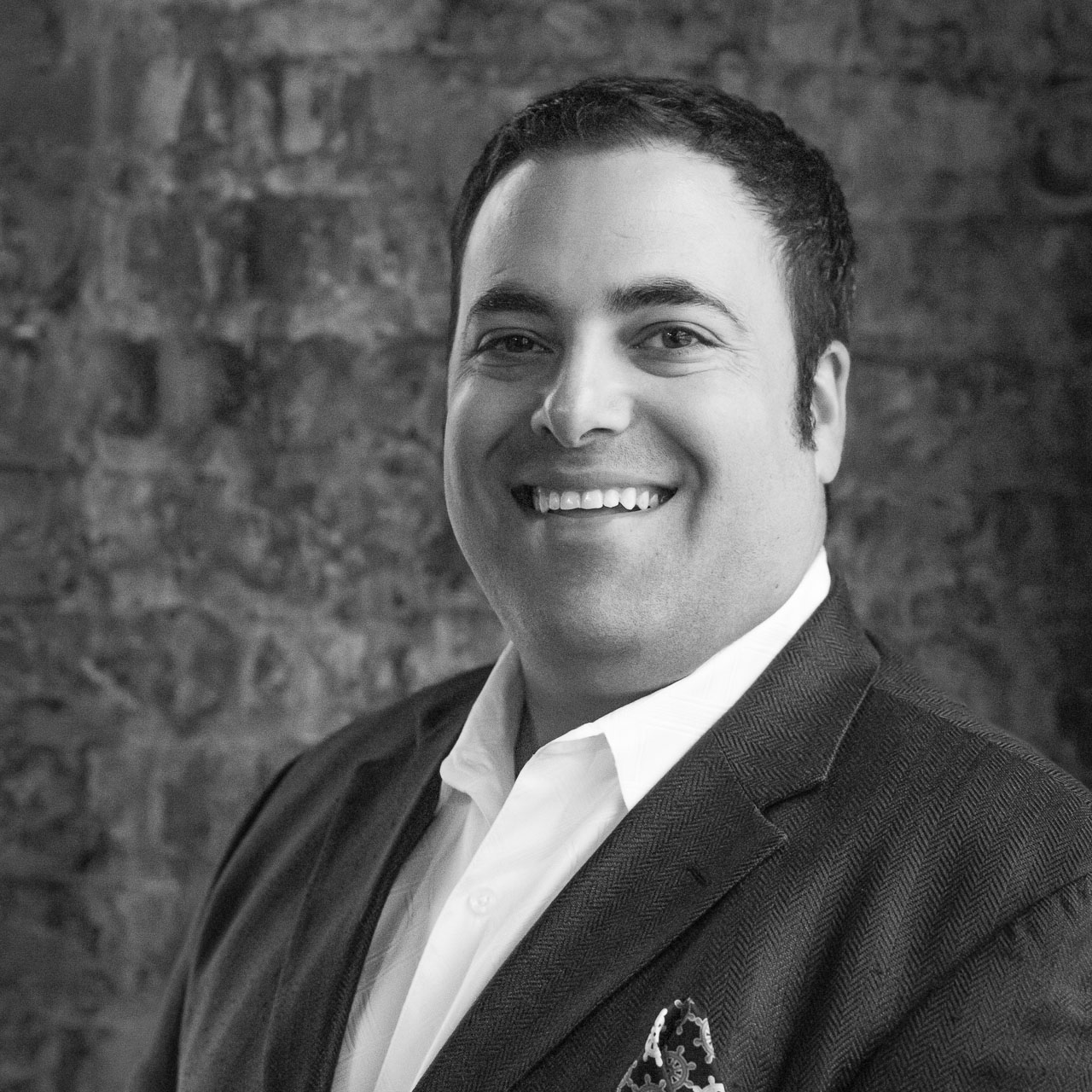
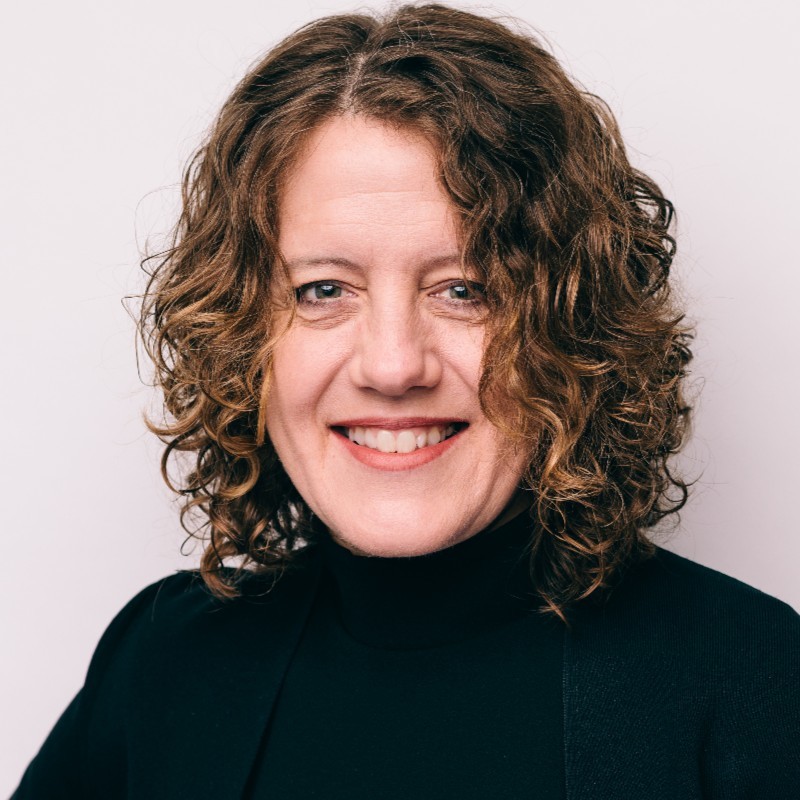
[00:01:00] Speaker C: Sure. So my name is David Usher. I am an interior designer. I've been working in Houston for most of my career, mostly in the commercial space, but I've done really everything from health care to higher ed, multifamily, and workplace interiors, as well as some hospitality things here and there.
I am currently the national board chair for American Society of Interior Designers, asid.
And so I'm so pleased to be with you all today and talk about lighting.
[00:01:33] Speaker B: Yeah, you don't get to talk about lighting as much as we do.
[00:01:37] Speaker C: Well, we do.
We try to have that in the conversation as often as possible because it matters.
[00:01:45] Speaker B: That's so awesome.
[00:01:46] Speaker C: Yeah.
[00:01:46] Speaker A: We didn't even have to ask you it.
[00:01:48] Speaker C: I know.
[00:01:50] Speaker A: So, David, I was really interested in one of the things as you introduce yourself as an interior designer.
[00:01:56] Speaker C: Yes.
[00:01:57] Speaker A: And so what?
Interior designer. Interior architect. Where do you see the difference between those two labels? I guess.
[00:02:05] Speaker C: I guess it's.
It's something that I think there. There are a lot of architects who do interiors work, and I think there's there's kind of a desire to keep the architect distinction there. I have degrees in both interior design and architecture, so I'm degreed in both disciplines. They are very different disciplines, I would say.
I would say that even what I think some people characterize interior design as the more decorative elements or the fixtures, furniture, equipment, that kind of things, or accessories.
Really, for most of my career, it's been doing the interior planning, doing the design of the space and not. And including those things, but not just those things. So I suppose what I've done for my career has been interior architecture, and it's always been in the context of an architecture firm, but I think they're really one and the same. So most people who've been practicing interior design for A long time do very much what I've been doing, and that's. You're really creating the space in all of its architectural form, as well as doing kind of the decorative elements and the kind of the finishes and things like that.
[00:03:26] Speaker A: Okay.
[00:03:27] Speaker B: When I was going to school, I went. I started out in architecture, and my mom thought I needed to be in interior design. That was what she thought I really should do.
[00:03:36] Speaker C: Yeah.
[00:03:38] Speaker B: I don't know why she thought that, but that's what she thought I should do.
[00:03:41] Speaker C: Yeah.
[00:03:42] Speaker B: Ended up in lighting. So I have a question that I've heard from other interior designers. That seems to be a challenge that we have as lighting designers. Is, are you working as a consultant and is there ever a struggle or an effort to sort of get recognized or for your value to be. To get included on a project team? Like, do you experience that the way lighting designers sometimes do?
[00:04:07] Speaker C: Yes, yes and no. I think there's. Most of my career has been.
It's been two things, either interior design and service to a larger architecture project where you're kind of integrated into the. In the firm and you're. When you've got both scopes, or you're doing interior design projects independently of that. So say for commercial interiors, for workplace. That's really.
That in my experience, that's been just the interior design team, not the architects. So it's. While there may be architects on those teams, it's kind of independent of that. So. But I. As far as a consultancy goes, I think on some other project types, in some practice areas, there are those struggles of trying to get. Demonstrate your value and be able to participate in more than the finishes and the furnishings and things like that.
[00:05:07] Speaker B: Right. Get involved earlier. That's.
[00:05:09] Speaker C: Yeah. Early planning. I mean, get really. Get involved with the planning early on.
[00:05:12] Speaker B: Okay.
[00:05:14] Speaker A: So you're the incoming president of asid.
[00:05:17] Speaker C: Current chair.
[00:05:18] Speaker A: Current chair, yeah.
[00:05:19] Speaker C: Okay.
[00:05:20] Speaker A: And one of the questions we asked in preparation was kind of, what's the connection between ASID and our organization's IES and iild? And you found some interesting information?
[00:05:30] Speaker C: I did. There was a friendship agreement that was signed by all three organizations back in 2014 with an idea that we could do more to support each other by sharing information, participating in each other's conferences, and things like that. So I've not experienced that myself, but I would think that's a great idea, and I would love to see that happen more going forward.
[00:05:56] Speaker B: Sure. Well, the IALD conference is coming up. Are you going?
[00:05:59] Speaker C: I am not, but not yet.
But I'll sign up I'll make that happen.
[00:06:04] Speaker A: Yeah. And I think that, you know, so if you think about it, 2014, that's before COVID And both organizations on the lighting side have had massive turnover.
[00:06:14] Speaker C: Massive turnover, massive change.
[00:06:16] Speaker A: Yep. And our big show, Lightfair is not the money maker it used to be. So there have been not only restructuring, but internal efficiency discussions.
Saying it as lightly as possible, which is not my usual thing, but I'm turning a new leader.
[00:06:38] Speaker B: I think it's more direct.
[00:06:40] Speaker A: Avi, you know, there's so much importance to your guys organization and what we do.
We talk a lot about four design principles that create the built environment.
Four designers between the architect, the interior designer, the landscape architect and the lighting designer. And the lighting designer is almost fundamental for combining all those things. Right. We can see the amazing things you do in space. Planning and materiality and finishes without light.
[00:07:16] Speaker C: Absolutely.
[00:07:17] Speaker A: And I think it gets forgotten a lot. And this, this idea we've kind of come up with. Any, any concerns with just saying it's those four.
[00:07:26] Speaker C: Yeah, I think that's. I think that's right. I mean, if you think about the four visual designers in that space, I think something that we've seen more call for is. And an appreciation for is acoustical design. Yes, yes. So not a visual. But it is part of the. When done well, it's part of the planning. Early on, if you don't put a quiet space next to a noisy thing, you don't put your quiet space next to the mechanical room and things like that. So there's good planning that can elevate that in a very thoughtful way without having to do a lot of mitigation.
So those are things that we're seeing as major influences.
But yeah, as far as the visual disciplines, I think it really is those four. And lighting is critical to making those things happen, whether it's lighting the landscape, the exterior of a building, or in particular the interior space.
[00:08:22] Speaker A: And we were talking with somebody else on our podcast about structure is really important. Mechanical, electrical, of course. And those things influence the visual. But ultimately the discussion we were having was that, you know, the architect of the interiors team pushes the structure to where it needs to go.
[00:08:44] Speaker B: They orchestrate that.
[00:08:45] Speaker C: Absolutely.
[00:08:46] Speaker A: They architect it. Right. I mean, that's really the definition.
[00:08:51] Speaker C: It's not a verb.
[00:08:51] Speaker A: Yeah, I mean, I.
But, but I mean there's a lot there.
And then I think the other thing that is changing now too is that the decorative lighting fixtures. And there's plenty in this building now, so many around us are now becoming performing Fixtures. Right. Something that's actually producing light. In our race to energy efficiency, we have to start using some of that. And I think that relationship between the interior and lighting designer becomes even more important.
[00:09:25] Speaker C: I agree. And it's.
So with the energy code requirements, efficiency requirements, we are being pushed. The initial response to that was we have to pull back on the decoratives because we can't afford it in the watts per square foot calculations. Right, sure. Right. But now I think with so many of them being performing fixtures and really understanding how layered lighting makes the space better, both from a experiential standpoint, but also appealing to different sensitivities that people have. So if we're thinking of neuro inclusive design, a variety of lighting levels and control is so important, and if we can get where we need to be from an illuminance standpoint and using the decoratives to be participating in that, it's all the better. It looks better, it performs better. It was.
[00:10:20] Speaker B: It was an old sort of secret tool that we used to use that, that our firm used to use of putting the perform. Like sort of combining the performance lights with the decoratives so that the decoratives wouldn't get ve'd out.
[00:10:34] Speaker C: Yeah, right. Right. It's so hard. Yeah.
[00:10:38] Speaker A: Well, so one of the. So. So the last my train of thought, but I think that. So lighting design.
[00:10:47] Speaker C: Yes.
[00:10:48] Speaker A: We're working on a project, how often do you have to kind of fight. Well, fight maybe the wrong word, but like, try and convince that there needs to be this other professional to help make this a successful project.
[00:11:06] Speaker C: It's. It's a. It's a. It's a common argument or a common pitch that we have to make. And the reason for that is they, they said, well, what are you going to do if you don't have one? You're still going to provide lights in the space. Right.
And I think it's having people understand and appreciate the nuance that a specialist trained in that and focusing on that specifically can really bring to the space and the quality of it is so important. So I think sometimes what happens is if the electrical engineer on the job is. Ends up being the one doing the lighting design, then it may, you know, you're going to get. You might not get the effect that you want.
[00:11:52] Speaker A: Not going to get those layers. You were.
[00:11:53] Speaker C: You're not going to get the layers. You may. It may be just looking at the performance or the. Yeah.
[00:11:59] Speaker B: Efficient.
[00:11:59] Speaker C: It'll be efficient. It'll be efficient. It might be, you know, little too even.
Yes. Right. And so. And not so interest and not so interesting. Right. So because there's been a lot. We've seen a trend in more opportunity to participate in the art curation and selection that goes into spaces as well as kind of branded elements that go into spaces.
So when we talk about that, we talk about you're not going to get the full value out of those things if you don't light it well. And that has to be planned right from the beginning. And that's where we need that specialty discipline.
[00:12:37] Speaker A: And do you find that the best? So saying, look, you want a branded experience, you want these art curate. Do you find that's the most successful way to say we need to bring in a professional? Or there are other tools that you pull out to say, look, this is why.
To explain it.
[00:12:56] Speaker C: So that's a good question. So the other appeal that I will make to clients is to say if we go with a spec agency or if we go with just kind of a generic fixture type, we may not get what we're hoping for in terms of the aesthetic output of that.
Whereas if we're working with a lighting professional, we can make the lighting package something that can be competitively bid by providing equals up front and making those VE decisions, kind of designing around that so you can protect the integrity of the design right from the beginning, by the way it's designed and specified.
[00:13:41] Speaker B: So you had a little slip there that I think I want to go to a licensed professional. And lighting design doesn't have a license.
There are some certifications. Do you think that would help or change the conversation?
[00:13:57] Speaker C: I do.
I think that's something that the profession would have to buy into.
But I think it's something that. One of the things that we do at ASID is we advocate for licensure and protecting our practice as a regulated practice, like architects, like landscape architects and structural engineers and mechanics, MEP engineers and so on.
[00:14:23] Speaker B: And what is the status of that for interior design?
[00:14:26] Speaker C: So we've had some great.
It's state by state, and that's true. I think for every discipline, there is a national exam that's recognized by all the states that have a licensing legislation in place.
ASID has been really successful in advocating for that and having new states either continue their licensing or ones that have just adopted it recently.
Illinois was a recent win.
[00:15:02] Speaker B: Right.
[00:15:03] Speaker C: So there's. So we're really proud of that. We think it elevates the profession and it puts more requirements on the professionals in that.
In terms of CEU requirements and other things like that, which A lot of the societies or professional associations do also. Yes, but.
But yeah, I think it. It elevates it in a way that says not everybody can do this.
Right. You need some special training, you need some special education. You have to demonstrate some competency that earns you that license.
[00:15:40] Speaker A: Yeah. And we've brought it up on the podcast in the past as to, you know, personally being a younger person in the industry.
Like, why didn't we go down that path? Right.
Why didn't we go down the path of licensure? We went down this path of certification. We've done a very poor job of marketing said certification idea.
But again, if you look at those top three professionals designing and creating the space, we're just this fourth one that's. Oh, you know, we're just lighting it.
[00:16:18] Speaker B: It's optional if there's not a license.
[00:16:20] Speaker C: Right.
[00:16:21] Speaker B: Maybe. I don't know. It just feels. This is what we've been trying to get at. What do we need to do to not be optional?
[00:16:27] Speaker C: Right, right.
I do think there is more recognition of the importance of it, and that's in some, in some of the spaces that I've been working in, workplace kind of capital improvement projects for major renovations for existing buildings, things like that.
Lighting has always been in the conversation of that about how do we make it feel different? Because that's a lot of what people are trying to get at. How do we make it feel better? And the lighting quality has everything to do with that. So that usually makes it an easier sell to bring in those. Those special professionals.
[00:17:08] Speaker A: Yeah.
[00:17:09] Speaker B: Well, the other place I was going to go, if we want to leave the licensure conversation, which is a messy one for lighting, is we kind of yesterday in our discussions around the show, it came up that maybe to show that feel, we need to show what it would look like without good lighting. Because when you see images and things have good lighting, it just feels right. Like, you know, that's fine. Everybody can do that.
[00:17:35] Speaker C: Right.
[00:17:36] Speaker B: And if we show what it looks like when it's not good, that sort of. That fear of. Fear of loss is sometimes more of a driver than.
[00:17:44] Speaker C: I think that's a good game. I think that's a good point. And there's so many ways to visualize, you know, so many tools for visualization in terms of, you know, renderings and things like that that can amp and more integration of IES data into those models so you can get more accurate representations and renderings.
So, yeah, I think that's. That's my. That's a That's good. I think it's an interesting approach where you can have somebody not really experience it, but maybe get a taste of what it would be like if you didn't do.
[00:18:18] Speaker B: If it was even with no layers.
[00:18:20] Speaker C: Exactly. Yeah.
[00:18:22] Speaker B: Yeah.
[00:18:22] Speaker C: Right.
[00:18:22] Speaker A: You spent. You spend all the money on this beautiful decorative element, but then everything else is just flat.
[00:18:29] Speaker C: Yeah.
[00:18:29] Speaker A: It's hard to describe that, but if you can render it, if you can show that.
[00:18:35] Speaker C: Yeah.
[00:18:35] Speaker A: And then, you know that client will ultimately see the value.
[00:18:39] Speaker C: Right.
[00:18:39] Speaker A: Because they're paying for all of this one way or the other.
[00:18:43] Speaker C: Exactly.
[00:18:43] Speaker A: But imagine just tweaking it. There was.
There's a presentation yesterday by one of the people we've had on our podcast talking about lighting a.
A sculpture.
[00:18:55] Speaker C: Wow.
[00:18:56] Speaker A: And you know, just front light it. And he's like, yeah, it works. You can see it. It looks great. But if I do this, this, this, this with seven different lights and he showed each one kind of how the sausage was made.
[00:19:07] Speaker C: Yeah.
[00:19:08] Speaker A: And then presented it. It's like, now you can see the detail. Now you can really understand this sculpture. And you're telling the story of the sculpture through light.
[00:19:17] Speaker C: Yeah.
[00:19:17] Speaker A: Right. I mean, ultimately, that's what we want to do is we want to tell the story that you're creating in these spaces with light.
[00:19:25] Speaker C: Right.
[00:19:26] Speaker A: And. And we have to have light. Yeah. No, no matter what we have, it's.
[00:19:29] Speaker B: Going to be there and someone's going to design it.
So it might as well be done well to support.
[00:19:35] Speaker C: Exactly. And I think, I think one, one angle that's, that's maybe you could be successful is I love the idea of showing with and without.
But if you think of, in terms of budget driven concerns that you're going to spend X amount on lighting regardless, shouldn't you spend it well, yes. Shouldn't you spend it really thoughtfully and are you buying more than you need if you do the wrong thing?
Are you not investing in the controls that could make that. Give you some adaptability of that? I mean, there's all. I think the controls conversation is a really difficult one for owners to understand because they said, well, I just need a light switch. It's like, I mean, I've.
[00:20:21] Speaker B: No, you don't. What even that. What does that mean? Controls.
[00:20:25] Speaker C: Right. What do you mean? Yeah.
[00:20:26] Speaker B: Exact dimmers.
[00:20:28] Speaker C: Right. Like, what word are you looking?
[00:20:29] Speaker A: Right. Well, and then you have the owners who have had systems and then they wanted to make a change and they had big costs associated with.
[00:20:36] Speaker C: Right.
[00:20:36] Speaker A: So it's, it's like understanding where the owner's Coming from. With their challenge on controls.
[00:20:42] Speaker C: Yeah.
[00:20:43] Speaker A: And then talking them down off that ledge to understand, like, this is why a. You hired a lighting designer who actually designs lighting controls.
[00:20:51] Speaker C: Right.
[00:20:51] Speaker A: Which not all lighting designers do that. So that is another challenge in hiring a lighting designer.
[00:20:56] Speaker C: Right.
[00:20:57] Speaker A: But then also making sure that they understand, like, this is what the button is going to do. This is what the buttons look like. This is the back end. And making sure that training for your maintenance staff and whoever's going to like.
[00:21:09] Speaker C: And the end user.
[00:21:10] Speaker A: And the end user. Right. Like just the. This is how you push the button. We have a system in my house for my wife and I, and we have automated shades and just like taking the minute to. Hey, Rachel, this is push this button. Yes. It says shades. You push that button, the shades come down, you press and hold, wait for it to flash and the shades go up.
[00:21:30] Speaker C: Right. Yeah.
[00:21:31] Speaker A: Is that what you want, or do you want it to be the other way? Right. This is all things that just have to be discussed.
[00:21:37] Speaker C: Right.
[00:21:37] Speaker A: But maybe not on the first day during, you know, schematic design. Right.
[00:21:43] Speaker C: Overwhelming. It can be a little overwhelming. Yeah.
[00:21:46] Speaker A: And. And even to the point of.
For, you know, substantial completion. Right. A lot of clients are just trying to get in the door.
[00:21:53] Speaker C: Exactly.
[00:21:54] Speaker A: Start renting the hotel rooms, you know, get the office people move in. So sometimes it has to be like a couple months after.
[00:22:02] Speaker C: Yeah, Right.
[00:22:03] Speaker A: Like let the dust settle and get that last coat of paint on the wall.
[00:22:08] Speaker C: Yeah.
[00:22:08] Speaker A: Right. And then. And that takes the discussion and a conversation and somebody to manage that.
[00:22:15] Speaker C: Exactly.
[00:22:15] Speaker A: And that's not going to be your rep. Agency.
[00:22:18] Speaker C: Right.
[00:22:18] Speaker A: And that's likely not going to be the engineer who's able to have that language.
[00:22:23] Speaker C: Right.
[00:22:24] Speaker A: To speak to that customer in that way.
[00:22:27] Speaker C: Well, you mentioned the shade control, which I think is a really important one, because the way what energy code is driving us to incorporate daylight into the total lighting idea or package, that you have to acknowledge it and you have to plan for it and design for it. And if you're trying to keep the light levels that are appropriate for the environment, you have to be able to control that. And you're not going to be running to the light switch all the time doing that. It has to be automated for it to really be successful. And so I think that's. It's such an important conversation.
[00:23:00] Speaker A: We've talked a little bit on the podcast that the sun is luminaire number one.
[00:23:06] Speaker C: Yeah.
[00:23:06] Speaker A: The sky is luminaire. Either one A or two. Right.
[00:23:10] Speaker C: Because a cloudy day, totally different.
[00:23:12] Speaker A: Still a Lot of light.
And then the last piece is that even though you have all this daylight coming in, that doesn't mean you could turn off all the electric light. Sometimes you need more electric light to balance that daylight.
[00:23:26] Speaker C: Yeah.
[00:23:27] Speaker A: So you're not walking into a tunnel or this dark feeling or, you know, the core of an office or too much contrast.
[00:23:34] Speaker C: Yeah.
[00:23:34] Speaker A: Or core of a airport.
[00:23:36] Speaker B: Adaptation.
[00:23:37] Speaker A: Yeah, adaptation. All these things.
But then if you think about the other side of it, when it gets to 4 o' clock in the afternoon in December, you don't need it to be that crazy light level you were using to match the daylight. Right now you're in, you know, sunset.
I mean, it's four o', clock, the sun's gone, and you still need electric light inside.
[00:24:00] Speaker C: Right.
[00:24:01] Speaker A: And that takes automation. It takes a lot of, like, design and coordination and tweaking and looking and feeling and I mean, and even just.
[00:24:10] Speaker B: Knowing that, I think it's so counterintuitive to people that when it gets dark, we want to dim the lights because people think, oh, it's dark, I need more light. So.
[00:24:17] Speaker C: Right.
[00:24:18] Speaker B: Just little things like that that people don't understand.
[00:24:21] Speaker C: Right.
[00:24:21] Speaker B: Who aren't thinking about lighting all of the time, like here.
[00:24:24] Speaker C: Yeah. And I think that it's a really important thing to talk to people about. And I think there is some.
There's, you know, wellness is like the biggest growing industry. Right. And so I think there is more in the general conversation about how circadian rhythm and all of that helps your sleep, helps your waking cycles. So I think that, you know, there is maybe more receptiveness to that about hearing about, here's why.
Here's why we dim the lights in the evening. Here's why the color shift should change.
And so, yeah, maybe there's an appeal to that.
[00:25:01] Speaker B: Right.
There's a little bit of that in the public realm. People have heard about that. And the IES has now just a year ago, published its first standard about the impact of light on the body, on systems.
[00:25:14] Speaker A: Yeah, yeah, it was interesting. The way it was presented to us was when you think about lead, Right. We all kind of went down this path of mechanical system glass.
And I mean, that was kind of it. Right. Design the mechanical system, figure out the glass. Lead was pretty much taken care of. It was just some little outlier things.
This idea of the human health connected to light is saying, well, maybe you want to bring some of that UV and heat into the building, which then means you need to modify the glass, which means you have to increase your cooling load.
[00:25:55] Speaker C: Right.
[00:25:56] Speaker A: But there's this health triangle that has to be managed. If we shove out all the uv, then, you know, what are we doing to the kids in the classroom? You know, what are we doing to people that are traveling constantly in airports or, you know, people in a hospital bed? Right. All of these things.
And I think we just have to do a better job of getting that out there.
[00:26:19] Speaker C: Right.
[00:26:19] Speaker A: Like that this is a recommended practice, has nothing to do with light levels and everything to do with UV and blue light. And I mean, it's incredible like what you can do. But we're still kind of stuck in this lead glass mechanical system. Everything will be fine.
[00:26:38] Speaker C: Well, ASID publishes a Trends Outlook report every year. That's one of the. One of the three major research projects that ASID does every year.
And in that report this last year, there was a lot of discussion around the effect of lighting on human health and how that needs to be addressed, both for neurotypical and neurodivergent populations.
And one of the main things is variety and community control. Be able to control how you go to. And it might not be the, the lighting might be static, but if there's different environments from a lighting standpoint or a heat and cooling standpoint that you can choose to go to, that is a one strategy for.
For doing that. And so creating options. Creating options. And so, yeah, to your point where letting in the daylight, letting. Letting some spot be a little bit warmer than another place is not a bad thing necessarily, that variety might be addressing what people really need in that space. I love that. And so, yeah, it's really fascinating. And the point you're making about Lean, where it was all about the building, the well, building standard and fit well. And some of those other initiatives are really focusing on how does the built environment affect the human body.
And I think that's a really great trend going forward. We're seeing a lot of that.
The research that we're doing at ASID and a lot of our members are doing as well. It's really that focus on the occupants and the people using the space.
[00:28:19] Speaker B: So when was your last Trends Outlook?
[00:28:22] Speaker C: It comes out every January, and so they're working on the next one right now. They also do an economic outlook report, which is great for people kind of forecasting what's trending in the world around us that might affect practice.
And so the Trends Outlook is it's not what's trending in terms of style or anything like that. It's what's going on in society, what's going on in the world around us that is impacting the decisions we make as designers. And so it's a fantastic resource, but it's a lot of really in depth research that goes into that.
[00:28:59] Speaker B: Yeah, it sounds amazing.
[00:29:00] Speaker C: Is it available to the public? It's available to the public. It's free for members, but available to anyone through the ASID website.
[00:29:09] Speaker A: That's interesting. I wonder if, you know, since there's this friendship.
[00:29:13] Speaker C: Yeah.
[00:29:13] Speaker A: Between IAS and asid.
[00:29:15] Speaker C: I like where you're going.
[00:29:16] Speaker A: And there's this IES document standard that was released to help people to actually design for these situations that it might be interesting to see if, you know, there could be a single page or something that says, you know, as an extension to last year's document. You know, we didn't refer to this.
[00:29:36] Speaker B: Refer to that.
[00:29:37] Speaker A: I don't know. Yeah. I don't know how you say, well, we didn't realize that this existed or this was just released or, you know, whatever you say, just so it gets out there. Right, right, right.
[00:29:45] Speaker C: That's a great idea.
[00:29:46] Speaker A: All right. Like, we all want to elevate the built environment.
[00:29:52] Speaker C: Right.
[00:29:52] Speaker A: And we each have our places to do so, but when we do it together, the power is incredible.
[00:30:00] Speaker C: Absolutely.
[00:30:01] Speaker B: And everybody's operating in their strength, in their nerdiness.
[00:30:04] Speaker C: Yeah, yeah.
[00:30:05] Speaker B: It just gets really good.
[00:30:06] Speaker C: Absolutely. Yeah. Totally agree.
[00:30:09] Speaker A: So one of the things I always love asking is a good story of either really successful lighting or, wow. This is why I always bring in a lighting designer, you know, so you could go either way.
[00:30:24] Speaker C: Yeah.
[00:30:24] Speaker A: But it's always. I feel like it's always great that there's always a story.
[00:30:28] Speaker C: There's always a story. Now that's. That's a good point. There's, I'll say a couple examples.
In the same project, I worked with a lighting designer in Houston for a. There was a new campus for Texas Children's Hospital being built out on the west side of town.
And one of their signature features from their medical center campus was this kind of glass tower where you could kind of see into the building and see different layers of activity and these big, kind of big, bold shapes.
So we had a concept to have these spheres of.
Some were things you could occupy, some were things that were just decorative, but to be able to see them on the approach, but even see them as far away as the freeway, which is, you know, good distance away.
And the lighting designer came to us with just a totally different way of thinking about it that really made those spheres render in their full dimensionality from a Distance, day and night. Yeah. And it's.
Everybody's thinking, well, the light's going to come from the top and cast a shadow on the bottom and say, well, no, we need the light from all sides to make it look more round.
And it was super effective.
Another example, going further back, worked on a project in Columbus, Ohio. When I lived there, we were renovating a historic building, putting kind of a new glass box kind of feature in it, and we wanted the box to glow.
Like, how do you make something glow? Well, working through that, it was talking to the owner and talking to the other architects on the project. Say, we don't flood the glass box with light. We have to flood the surfaces around it. Yes. To make that glow come through. Because it's the light on the surface that you see, not the light coming through the glass.
And to light the columns that were there, the historic columns from each side to make them look more round, like the light was coming from inside and not just illuminating them from the front like you might traditionally do. So some really great insights from really skilled lighting designers that just made the project so much better, more successful one.
[00:32:45] Speaker A: And I love your stories because what you're also kind of alluding to is that those lighting designers kind of help shape the job.
It's not just about the light. Right. The lighting designers will come in and say, well, what if we looked at this material? What if we shifted this shape? What if we thought about this way?
And, you know, it's really becomes this other partner that is specialized in a thing and a single. We are one trick, Bo. We know light really well, but there's all these other things that, you know, and having that partnership that molds and shapes and creates this amazing environment.
[00:33:27] Speaker C: Right. Yeah.
[00:33:28] Speaker A: Right.
[00:33:28] Speaker B: Sounds like both really good collaborations, which is fantastic collaborations.
[00:33:32] Speaker C: And again, getting them engaged early so that as you're talking about finishes and form and all of that, saying, do we. What kind of.
What kind of gloss level do we put on this thing if we want it to read correctly? And then that's a lighting question at the end of the day. And so that's. Having that perspective was so helpful.
Yeah.
[00:33:54] Speaker B: I have a presentation I give where I talk about the top 10 most surprising things that impact lighting. And sheen is.
[00:34:01] Speaker C: Sheen is a big one. Yeah, yeah, yeah. For sure.
[00:34:04] Speaker A: I start with GU9 bulbs. Please stop using them.
At least. Most of our work is based in Chicago, although we work all over and we have very dirty power.
And, you know, G9 bulb. I get it. It's this tiny little cool Thing, but finding good ones and dimming it is nearly impossible.
And so in led. In led.
Yeah. If you could do an incandescent all day, but you're changing the lamps constantly and most of those fixtures getting into them. I digress.
[00:34:38] Speaker C: Yeah.
[00:34:39] Speaker A: Well, as we. As we kind of close out, we also always like to ask, what's your favorite illuminated space you've been to? And tell us why.
[00:34:50] Speaker C: So a category of spaces, I would say, are art museums, and one of the best ones in recent memory is the Nasher Museum here in Dallas. Actually, it was designed by Renzo Piano. And the way that the daylight is controlled, coming into the space is just magical. And it has everything to do with bringing light in a soft way, in an even way. But then the lighting added to that to kind of put accent or feature specific pieces of art in this space, it just sings. It's just beautiful. And you could be outside and experience the daylight. You go inside, you experience that same daylight in a very different way.
And it's just. It's just breathtaking.
Awesome.
[00:35:50] Speaker B: I wish I had time to go over there this trip.
[00:35:52] Speaker C: Next time.
[00:35:53] Speaker B: Do it next time.
[00:35:54] Speaker A: Next time for sure. Yeah.
[00:35:55] Speaker C: Another one high on the list is the Kimbell Art Museum in Fort Worth. Okay.
[00:35:59] Speaker A: That is a required visit.
[00:36:01] Speaker C: Yes, that's a required visit for anybody doing anything in architecture or design. It's amazing.
[00:36:08] Speaker A: Yeah. We just posted. So whenever I travel someplace, we put a blog post up about wherever I'm going.
And my. My team was, you know, we like to post about the history of light in the place we're going to. And I told my team, you got to include this museum because they. It changed every bringing daylight into an art museum, but the way that was built, the way it's controlled, the integration of the electric light.
[00:36:36] Speaker C: Yeah.
[00:36:36] Speaker A: It's just. Yeah, I would.
[00:36:38] Speaker C: Masterful.
[00:36:39] Speaker A: Yes, it is masterful. Yeah.
[00:36:42] Speaker B: Well, David, thank you so much for getting up early and talking with us today.
[00:36:46] Speaker C: It's been my pleasure.
It's a privilege to talk to you all. It's something that I've always had an interest in lighting design as an interior designer. I had a great teacher in my undergrad that introduced it to us as something to kind of how to think about it.
It's one of those things, like, it makes all the difference. So I'm in your camp.
[00:37:11] Speaker A: Just gotta keep getting it out there.
[00:37:13] Speaker C: Exactly.
[00:37:14] Speaker A: Thus the podcast and, you know, rekindling these friendship relations.
[00:37:18] Speaker C: Absolutely, Absolutely. We should do more with that. I know. I'm excited to see what we can do next.
[00:37:24] Speaker B: Thanks.
[00:37:25] Speaker C: Fantastic.
[00:37:26] Speaker B: Thank you all for listening.
[00:37:27] Speaker C: Thanks everybody.
[00:37:30] Speaker B: Lighting Matters as we wrap up, we want to reiterate how much we value your time, and we hope you found it as much fun to listen to as we had creating it. Remember to like it and share this content with your friends and colleagues.
[00:37:45] Speaker A: The opinions expressed are those of the participants and do not necessarily reflect the official positions of the sponsors. Our content has general application, but we recommend obtaining personalized guidance from a professional IALD lighting designer such as RBLD or Morelites for your next endeavor.
![ASID Chair David Euscher: Making the Case for Lighting Specialists [Ep. 27]](https://episodes.castos.com/66889601ede0f5-02583431/images/2204180/c1a-6r61m-qdvdk57zt71z-2uoepp.png)