Episode Transcript
[00:00:02] Speaker A: Welcome to the podcast about Lighting Matters. Our unflinching conversations uncover the nuances and complexities which shape the craft of lighting design.
[00:00:11] Speaker B: We explore the pivotal whys behind a lighting designer's choices and find honest answers to your most challenging lighting questions. Because Lighting Matters.
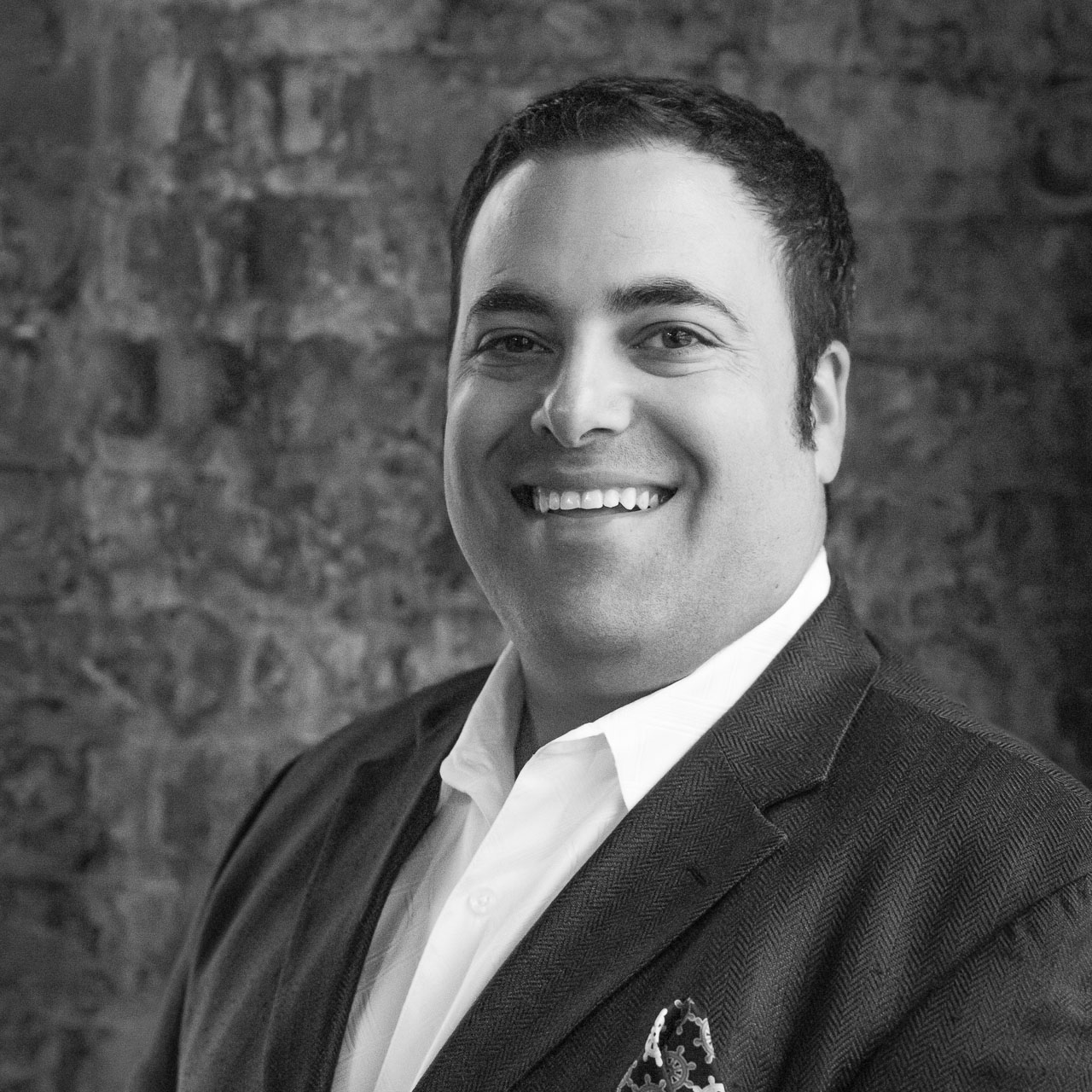
[00:00:24] Speaker C: We have Avi, the founding principal of More Lighting or More lights, bringing over 15 years of lighting design experience.
A BFA graduate from the University of Kansas, Avi has extended his Chicago based firm to handle a wide range of national projects.
He is a certified Lighting Designer, a member of IALD and ies.
The former president of IES Chicago Section, Avi also contributes to the Next Generation Lighting Industry alliance and speaks on advanced lighting technologies. Outside of work, he's passionate sailor and enjoys DYI DIY projects. I believed all of it right up into that last statement.
[00:01:14] Speaker A: Nobody enjoys dynamic cabinets in my basement. They're gorgeous. Painted, finished.
[00:01:20] Speaker D: Oh yeah.
[00:01:20] Speaker A: An avid carpenter as it has amazing lighting in it. Thank you.
Thank you for the peanut gallery standing.
[00:01:27] Speaker C: Over here next to me, Lisa Reed. The wonderful and passionate Lisa Reed.
This is an award winning lighting designer with 29 years of experience in energy management, electrical engineering, education.
[00:01:42] Speaker A: Excuse me, education.
[00:01:43] Speaker C: Lighting sales and lighting design. Pretty much the whole package.
This multidisciplinary background makes her an adept communications that that bridge on project teams. She's an active member of multiple lighting organizations and a passionate advocate for diversity in lighting and supporting working moms and women re re entering the workplace.
As a thought leader in the lighting industry. She's regularly speaks to local and international audiences. She made no mention of DYI projects so we do believe her.
[00:02:21] Speaker E: Correct.
[00:02:21] Speaker B: I hate DY DIY projects. Yes.
[00:02:26] Speaker A: Thank you. You have the stage. Thank you, Peter.
[00:02:29] Speaker B: Okay, well, welcome to the Lighting Matters podcast.
I am one of your hosts, Lisa Reed from Reed Burkett lighting design in St. Louis. And yes, you are all on the Lighting Matters podcast right now. I'm here with my co host.
[00:02:46] Speaker A: Hello everybody. Avi Moore. And we're live. Recorded.
Recorded.
This is going to be fun. Yeah, we haven't. You know, I think this is like stand up comedy a little bit.
[00:03:02] Speaker B: It's not supposed to be. Please do not put that kind of pressure on. No, but so Avi and I, in case you don't know, have been doing this, this project of the Lighting Matters podcast for a little over a year now.
And we've just gotten the technology to do events like this and take it on the road a little bit. We've covered a lot of topics. We started talking with lighting designers. We covered topics like pricing on products, we really want to talk about things that get talked about in, you know, behind closed doors and just bring those out publicly. So we talked about pricing. We talked about mentorship. What are some of the others?
[00:03:48] Speaker A: We've talked about custom fixture design.
We've talked about just basically, what we're trying to do is bring the conversations that are happening behind this wall that our customers want to know about, but aren't going to come and bring those to the outside world. So our goal with being here at ArcLight was really to bring ArcLight to the audience, to all of you, so you understand, like, what we're seeing, and then also have more conversations with people in the audience and bring that to the audience. Bring that to the larger Internet. Global audience. We have.
[00:04:25] Speaker B: Exactly.
So global audience. Seriously, you guys. I was in Dubai, and somebody started telling me about this new podcast he was listening to, and it was this one. And I was like, cool, I know that one. So, yeah, we have a global audience.
[00:04:42] Speaker A: Yeah. It's pretty amazing how what happens with the Internet. Right. And you put video content out there, and all of a sudden like, oh, I've heard that, or, hey, I should come see that.
So very exciting.
I guess the question. We kind of were thinking we could go a couple of different ways with this record recording today.
[00:05:05] Speaker B: Yeah. So we've. We've been. This year, we're kind of in our second year of podcasting, and this year we've been turning the focus a little bit toward really having a focus.
[00:05:18] Speaker A: Right.
[00:05:19] Speaker B: And having it being really focused on advocacy for lighting design and for the profession of lighting design, and by taking these conversations outside of just lighting designers talking to other lighting people.
Want to talk about that a little bit.
[00:05:32] Speaker A: Yeah. So the idea we've really trying to focus is this idea, I guess. And maybe I'd almost like to pose the question to the audience, does lighting matter?
I hope so.
Peter, you want to come out, use the microphone, because the audience back home can't hear you without stepping out to the microphone.
[00:05:52] Speaker B: So. And maybe we should have told you at the beginning, you're all our guests today.
[00:05:57] Speaker A: You are the guest.
[00:05:58] Speaker B: So. Oh, come on up.
[00:06:00] Speaker A: Oh, Cindy's gonna talk.
[00:06:02] Speaker B: Yes.
No, no, he needs to come up here.
[00:06:06] Speaker A: So, Cedar, come on up. We have shy audience members today, so.
[00:06:11] Speaker B: So the question was, does lighting matter?
[00:06:13] Speaker A: Yeah, I think it's a fair place to start on the lighting.
[00:06:16] Speaker B: You have to actually come all the way up here because it'll squeal.
[00:06:20] Speaker E: Yeah.
[00:06:20] Speaker A: Because that way the audience will see.
[00:06:22] Speaker B: You and wave to the Audience.
[00:06:25] Speaker A: Hello, audience.
[00:06:26] Speaker C: The guy who was just up here announcing, everybody, it's all fun, but I think the question was, does lighting matter?
[00:06:34] Speaker A: Does lighting matter?
[00:06:35] Speaker C: Absolutely.
[00:06:36] Speaker A: Expand.
[00:06:37] Speaker C: Well, I get my paycheck there.
[00:06:41] Speaker A: Yes.
[00:06:41] Speaker C: But beyond that, it absolutely matters. And I think it matters sometimes more to us as lighting people.
And we're always trying to talk to people and trying to bring them into the conversation, but once you start to point it out, they start to get it. But there was a session earlier today and we had Scott Rosenfeld from the Smithsonian. I think he absolutely proved lighting matters. Just what you could do to change an environment.
The nuances that he had and then.
[00:07:14] Speaker A: The stark.
[00:07:16] Speaker C: Contrasts that he was able to produce with lighting really made not only the buildings come alive, but the pieces that he was trying to highlight. So, yeah, lighting does matter when used. Right?
[00:07:28] Speaker A: So how do you. So you say that obviously in the lighting world, and you're a lighting person, we're lighting people. We know that it matters. But how do you explain to a non lighting customer how light matters?
[00:07:44] Speaker C: That's always a fun question, and I think just by pointing it out. What things are obvious to us that we see when we walk into a place that we don't want to see, when we walk into a place more frequently, unfortunately, is showing them where maybe what the shadow is, what this does, the effect that it has. It's no different than architecture.
[00:08:07] Speaker A: Right.
[00:08:08] Speaker C: You appreciate architecture, though, when you see it or you don't like it when you see it. I don't think a lot of people walk into a space and just automatically know that the lighting is excellent. They usually know that the lighting's terrible.
[00:08:20] Speaker E: Right.
[00:08:21] Speaker C: But do they know that lighting is excellent? Do they know that it's creating a feeling?
I don't know.
[00:08:28] Speaker B: So we've talked a lot on the podcast about feeling and about like it's those words that we search for and try to find, to help people understand. It's hard to describe words. Light with words.
[00:08:42] Speaker A: Right.
[00:08:43] Speaker B: You just said you walk into a space, you see it, you feel it, and maybe you can point it out then when you're in a space.
But if you had to use words, what would you say?
[00:08:54] Speaker C: I try to use words like it's a material.
People understand a physical thing. They understand a color, but they don't understand a color necessarily when it applies to light. They don't understand that if you think of it as a material, whether that's a solid, a wood, a fabric, or whatever.
But that's usually the words that I'm trying to put into their mind as to how they can think about it as a physical thing.
[00:09:29] Speaker A: Interesting.
[00:09:30] Speaker B: I think that's good.
Anybody.
[00:09:33] Speaker C: Is that the good lighting controls guy since.
[00:09:35] Speaker A: Well, so computers.
[00:09:37] Speaker B: But you're going to suggest that that's a huge impact.
[00:09:40] Speaker A: Yeah, yeah. Well, and I was going to say, as a lighting controls person, one of the other things we talk about the podcast is the value of a lighting designer. And I wonder if you can expand a little bit in some of the projects that you guys work on.
Is there a big benefit of having a lighting designer who designs your systems versus the projects that don't have a lighting designer? Do you see a big difference in those two?
[00:10:06] Speaker C: I see a massive difference in the design of the light. The design of the project from a light perspective.
I think we play a big role with the lighting designers in how you implement controls into the environment to help them get what they want. I think maybe with the new wave of lighting designers learning about controls in school, in Parsons or wherever they're going, it's changing.
But I'd like to see lighting designers thinking about controls, thinking about how they can maybe manipulate the light to get exactly what they want. As we were talking about earlier, with luminaire level lighting control, you can have a more granular control points and therefore maybe create those contrasts, those nuances that I was talking about earlier and I'm.
We're passionately going through and talking to designers about that, trying to get them to see it and to understand that it is accessible to them, that they can use it as a material that they can express themselves and maybe a little different way at be cost effective at this point.
[00:11:19] Speaker A: Well, and I loved that conversation earlier today because every time I've heard of LLC luminaire level lighting control, it's the sensor and every fixture with a control. And I personally don't believe in it. I think that there's applications that we don't work on that that might make some sense for somebody, but that just seems like a ton of technology.
But individual control. Hello, there we go. Individual control of every single luminaire all day long. I think Scott referred to a company that many of us lighting museum lighting designers, you know, sing a sad song for being purchased by somebody else and bring bricking and anyway, but that having that level of control was something we never had in museums. And now as you're starting to see things from Kasambi and other manufacturers with Bluetooth, it's amazing what you can do. But I never thought of it without the little sensors in every fixture Right. I just call it individual light control. Of course, like, we do that all the time. No big deal. You put a little rheostat or whatever. But I thought that was really great to be able to have that conversation.
[00:12:35] Speaker C: Yeah, we enjoyed it, and it was fun to bring forward, and I love that it's being extended here and extended out to different. Different parts of the show.
[00:12:44] Speaker A: So, I mean, and that's the whole point, right? And that's the whole point of the podcast, right? Take conversations that start here and extend them and get them out into the world. I mean, I remember somebody talking to me at a. About an ILD conference where all the lighting designers were mad at a lighting control manufacturer. And that ended at that I conference. And it didn't go anywhere, but, like, this is the opportunity to take that conversation and let it keep going. And now people can respond to it and respond from there. Thank Peter. Thank you, everybody. Round of applause for Peter for joining us.
Thank you for being our temporary.
[00:13:25] Speaker C: I was just trying to exit quietly.
[00:13:28] Speaker A: Exit stage that way.
[00:13:29] Speaker B: So as he exits, you know. Anybody else who has something to say, you're welcome up here. We do have a few questions for you.
Like, what else? Who else has heard something great so far here at the show at Arclight Summit?
[00:13:46] Speaker A: Well, I mean, Lisa, we have to call a little to your presentation earlier today with another group of people talking about how AI is coming into the lighting world. Yeah, very interesting thought. Like, well, first of all, great audience participation. Right. With the flags, little paddles. I know, of course, we don't have one with us.
[00:14:07] Speaker B: Okay, I'll get.
[00:14:08] Speaker A: Okay, so. So we'll show you the paddle. But that was really great. And I thought it was also a lot of fun to just kind of see how everybody just talk about how everybody's using AI.
You know, it's interesting because you. One of the questions you. You guys asked was how soon we think AI is going to be in all of our software. And the question was within three years. And then one of the people said.
[00:14:34] Speaker B: Someone said six months.
[00:14:36] Speaker A: And. And I was thinking. And I was sitting there and I was like, yeah, Autodesk releases their new version of stuff in March, so that's six months. That's probably our next.
[00:14:45] Speaker D: I would.
[00:14:45] Speaker A: I would assume that it's in everything else going to be some AI in revit. I mean, for something probably.
I don't know, what would that AI do in revit?
[00:15:01] Speaker B: Go find a cut sheet would be good. That's a. That's another pain point.
So what? Anything else? Any Other sessions that you all want to draw attention to.
[00:15:13] Speaker A: We have such a talkative audience here. It's captivating.
[00:15:17] Speaker B: Which ones?
The Green Walls session. I heard part of that from over here. I heard that was a good session. Anybody want to come up here and talk about their takeaways?
No one specific or anything. No one who's also a podcaster who's completely comfortable behind the mic.
Rachel Fitzgerald.
She's been on the Lighting Matters podcast already.
[00:15:46] Speaker F: As you give me the hard stare to come up to top.
Does this come out or is it.
[00:15:52] Speaker A: Yeah, yeah, yeah.
[00:15:55] Speaker F: Can you hear me now?
[00:15:55] Speaker E: Okay.
[00:15:57] Speaker F: I thought Ollie's session was great on the living green walls. I personally have never designed for a living wall. Yeah.
And he even. I was chatting with him some after the session and he was like, you've seen this stuff before. You've heard this before? And I was like, yeah, I'm sure I have. But it's that concept of hear something here it again, hear it again. Eventually it sinks in.
And I thought he did a really good job explaining how to light green walls for two parts. One, the aesthetics, so that it's something inviting and a value add from an ambiance element within a space, but then also addressing it from a. You gotta make these things live.
[00:16:45] Speaker B: Yeah. This is. This is a plan. It's a lie.
[00:16:48] Speaker A: It's a lie.
[00:16:49] Speaker D: Be the concept.
[00:16:50] Speaker A: It needs some life.
[00:16:51] Speaker B: Lighting matters to it.
[00:16:52] Speaker D: Right?
[00:16:53] Speaker F: Lighting matters a lot to it.
But it was even funny. One of the comments he said was, make sure you light them from above.
[00:17:00] Speaker B: Okay.
[00:17:01] Speaker F: Versus if you light them up, light up, light them. He's like, then your leaves all, like, invert because they're growing towards the light. And he's like, that's just awkward. Nobody wants that. And I was like, this is, you.
[00:17:12] Speaker A: Know, I mean, but that's.
I mean, you could. You could imagine being an architect's office. Like, yeah, you know, it'll look so great if we uplight it. Just like the brick and be like, yeah, no, that's not going to work.
[00:17:22] Speaker F: It's a horrible idea.
[00:17:24] Speaker B: But now you know, and you all.
[00:17:26] Speaker F: Know, the more you know.
But it was a good session. I thought it was. It had some good takeaways. He was lively. It made a topic that could be very technical, very interesting with just some of that kind of input along with some of the formulas and the math to make sure you're doing it right. But it was one of the better explanations I've heard on it in a while.
Again, as someone who doesn't design Them on the regular or at all. But we, we could all have the occasion and light is very important.
Lighting matters to those living green walls. So it was a really good discussion.
[00:17:58] Speaker B: Good.
[00:17:59] Speaker A: I kind of want to see an inverted leaf.
[00:18:04] Speaker B: Now. Avi's gonna uplight all the green walls.
[00:18:06] Speaker A: That's really interesting. But like then the whole wall ends up invert. I think it would just be like stand upside down maybe.
[00:18:13] Speaker B: I don't know. Okay.
[00:18:15] Speaker F: You know, it's like an inverted planet kind of experience.
[00:18:18] Speaker A: Yeah.
So go ahead.
[00:18:24] Speaker B: How many words can we say together at the same time?
[00:18:26] Speaker A: Yeah.
[00:18:28] Speaker B: Well, I was going to ask you where you think lighting can have the most impact. You were talking about plants. But you know we talk about this all the time. We think about it a lot. Where, where does maybe more specifically lighting design have the most impact?
[00:18:45] Speaker F: Okay. So I feel like I say this all the time, but I think lighting matters everywhere. And I think that's part of one of my fundamental concerns as a lighting designer and advocacy for our industry is an affordable income housing project deserves good light just as much as a transit worker at the bus station, as the nurse at the hospital, as the CEO in some fancy office or experiential museum. It's like they all. Light is like a fundamental. Right.
Kind of thing and everybody deserves good light. And so then it's the question of well, what is good light? That's a very open ended thing.
[00:19:32] Speaker A: Well, I guess when you think about it in all of those applications, right. And I think the low income housing one is actually the one of the least used lighting designer locations that need lighting designers 100 because the kids are the, the kids, the parents, whoever, they're doing homework, they're working in their houses and they get engineer select. I mean, is that fair to say? They get maybe even the contractor I've got. I can't use contractor select because that's manufacturer specific, but contractor grade, whatever, just because it met a budget. But we can put that kind of product in the right place at a lower price point than any of those buildings being built today.
[00:20:23] Speaker F: That's the thing. Good lighting doesn't have to cost more.
And to your point, we have a lot of those low income housing projects, they're designed with less natural light, less windows, less outdoor living space.
So then the importance of having good light is almost even more critical because you have less natural light.
[00:20:46] Speaker B: Right. You're already starting depleted of the daylight.
[00:20:50] Speaker F: So anyway, just kind of in the big overarching, it matters everywhere and everybody in every built environment space deserves quality Lighting.
[00:21:02] Speaker B: I have to look up who to attribute this to, but I did just see someone post that they do an annual pro bono project for something like a project like that for. For low income housing or whatever it is, just for that very reason that. And then they were showing pictures of this is. This is quality lighting design at a low price point because. Because it had to be. And they offered the design pro bono. Like, how do we as an industry get to, you know, is it all of us doing one annual pro bono project and is that enough to elevate.
[00:21:37] Speaker F: How do we give back? Maybe becomes that question of how do we give back with the talents that we have?
[00:21:46] Speaker A: Well, I would throw a caveat into that, that I think those projects can absolutely afford lighting design fees.
I think that it is a matter of having a open and honest conversation from top to bottom. There are starchitects designing these low income housing things.
And if they can't afford a lighting designer, then there's a bigger problem going on in the Performa for that project.
Right? Like in the end, it's about getting to a rent price, which might be free, Right. But in the end, you know, City of Chicago is expecting to pay something per month to offset the cost of that space.
Okay, so multiply that by the number of units and figure out the fees and include the fact that a lighting designer needs whatever it is per square foot for a pretty straightforward, simple layout.
I mean, I agree, like, we should absolutely give back. And I. Oh, sure.
[00:22:48] Speaker B: I know you're not saying.
[00:22:49] Speaker A: I'm not saying that. But I also think that there's a lot in what Rachel's saying here that lighting needs to be everywhere. Designers know it better than anybody else and we shouldn't have to give it away to get them to understand that it's that important.
[00:23:05] Speaker B: Well, because then it's devalued again. Like giving it away devalues it again. And what I was thinking about as you were talking is before that's going to happen, before someone's going to look at that project top to bottom, they have to decide that lighting is important enough to include in that list. And so we're back to lighting matters full circle. How do we. How do we communicate this message to everyone?
[00:23:34] Speaker A: I don't know. That's why we created the podcast.
I think it's just this ongoing.
How do you communicate the benefits? Right? I mean, people know when you're uncomfortable in a space, right? And then it's like, oh, it's because the mechanical system, blah, blah, blah, blah, blah. Right. But it's something hidden.
The building burns down. The sprinkler systems probably weren't so great. Right. But that's kind of.
But how do you dream? It's. I'm just, I'm thinking through systems and how you know physically when something was bad. Well, how do you know physically when something was bad in a space that's lit poorly. Right. Or how can you take that low income, I mean let's use that low income housing project and connect some dollar value. I mean I always come back to dollars. Right. It has to make some dollar sense somewhere.
[00:24:24] Speaker B: And how very practical.
[00:24:25] Speaker A: How do you prove to somebody that this is a dollar value worth spending?
I don't know. I don't know. I guess I just don't know enough about the performance for those billings.
[00:24:37] Speaker B: Someone out there knows anybody who knows.
[00:24:41] Speaker A: Well, I guess the question becomes like who could we ask? The question of the question is what are we asking? So the question we're asking is ultimately how do we prove on a low income type housing project the value of light back to the finances of the project? Right. A developer is going to only spend money on something that's going to come back.
[00:25:12] Speaker E: Can't, you can't prove it, you can't quantify it. And the reason you can't is because it's both pervasive in everything we do, yet indefinable.
So if you look at the like data going back a few, like maybe a decade ago they tried to pump up blue values, if you remember, to boost productivity, to try to have a measurable roi. And they did that in hospitals for shift work. And two years later they did another study and found a huge increase in shift workers in hospitals of breast cancer, in nursing staff.
[00:25:51] Speaker A: Right.
[00:25:52] Speaker B: Yeah.
[00:25:52] Speaker E: That's a very quantifiable thing.
But it's also one of those things that the cost is so dramatic for those people affected but also invisible to the cause.
So it's kind of one of those things where you've got a metric free zone around this.
You can quantify lots of things about light. You can qualify the cost, you can qualify the amount of light, but the actual impact impacts across the board are too wide.
[00:26:27] Speaker B: That's so deep.
And it's very true.
[00:26:30] Speaker E: Yeah.
[00:26:31] Speaker B: Can you, we didn't introduce you.
[00:26:33] Speaker E: Yeah.
[00:26:33] Speaker B: Can you tell us who you are and how you got here?
[00:26:36] Speaker E: Well, I accidentally said yes to a thing and now I'm here.
[00:26:42] Speaker A: Excellent.
[00:26:43] Speaker E: I was sitting there quite comfortably.
[00:26:46] Speaker A: I know. You got the couch.
[00:26:47] Speaker E: I found a couch and I've been standing all day and then you guys started pointing at me and saying, come up. So here I.
[00:26:53] Speaker A: Why, why, why do we always walk around on concrete for these things for like three days? If feet hurt matters, flooring matters.
[00:27:03] Speaker E: But I would like to, like, I would, I would probably pull it. So first, my name's Will. I'm Will Norris. I'm, well, an electrical engineer, originally consultant. And then I found my way into the dark side, that is the sales world in lighting and lighting controls. I started my own company in 2022 that is a specialist in controls. That's all we do is sell and integrate control systems for various buildings and all sorts of applications. I'm also a huge nerd, so I've read a ton of stuff about lighting over the years. I just kind of found myself in this niche and I actually, like, hearken this back to an old emo Philips trip joke, which is, I used to think that the brain was the most important part of my body, but then I realized, look, what's telling me that.
[00:27:50] Speaker B: That'S so good.
[00:27:51] Speaker A: And that hearkens back to your AI conversation. Like you tell AI and then it tells you you're amazing because you, you told it, it was amazing.
[00:27:58] Speaker D: Right?
[00:27:59] Speaker E: Well, and you, you, you asked a question about AI. When we'll see it in lighting controls or in lighting. You already are, you just don't know.
[00:28:06] Speaker A: Oh, yeah.
[00:28:06] Speaker E: If you, you're in these conversations we're having across all the disciplines, ChatGPT is playing a huge role.
We are seeing the emails flying between suppliers and manufacturers and sales reps and everything else. ChatGPT is there, it's behind it. It's the one telling us this. We're handing over the keys to the car all the time to Chat GPT. In fact, one of my favorite things now is sitting between on an email thread when I'm the recipient that's not being asked anything and I'm just witnessing two people talking and it's just ChatGPT talking to itself. You can tell by the formatting, you can tell by the sort of tone of the language. And you're just like, these are two designers that are trying to twist this little thing. But ChatGPT is really the thing that's thinking here. No one else is thinking anymore.
[00:28:52] Speaker B: Yeah.
[00:28:52] Speaker E: So AI is here.
We're already doing it. It's how far do we take it, how much do we hand it in order to be part of our lighting world and lighting controls world?
[00:29:03] Speaker B: Do you think it can answer the question that you said couldn't be answered about how how to communicate that lighting matters.
[00:29:10] Speaker E: It can answer it in multiple ways, just like I can.
But it can also answer it in the abstract. But can it give you a definable metric that says, this is why?
Remember when CRI was super cool? We all talked about cri.
[00:29:26] Speaker A: No, I'm too young for that.
[00:29:28] Speaker B: Oh, yeah.
[00:29:29] Speaker A: I never believed in Cris.
[00:29:31] Speaker D: All right.
[00:29:31] Speaker E: I'll believe it when I see it. Yeah, but cri, the metric, we. We dialed down lighting and we said, oh, yeah, we can quantify this and we can get it to what, nine palette colors? Was it originally eight.
And we blended these things and we said, okay, boom, there's a number.
I can cheat that system instantly.
[00:29:48] Speaker B: Yes.
[00:29:49] Speaker E: I can mathematically find the light source that has those things that pick up those palettes. And I can make a perfect CRI with a crappy light source.
Right. It's easy.
[00:29:59] Speaker A: Right.
[00:29:59] Speaker E: That's just a matter of binning and technology and metrics.
So, like, why do we want to define it?
[00:30:09] Speaker A: Why do we want to define why lighting matters?
[00:30:12] Speaker E: Yeah. Well, obviously as a sales rep, I can say why.
Yeah, I want to sell something. As a service provider, I want to sell something. But why do we want to define? Because, like, if we're talking about, like, let's take it to the Scandinavians with their huge concept where they're talking about basically house feel. You walk into the space. This place is nice. It feels nice. It's warm, it's comfortable, it's inviting. It's got all those things that make us feel special, that this environment's special for some reason.
Wouldn't defining it ruin it?
[00:30:45] Speaker A: Well, I think the beautiful thing about the idea of why does light matter? Is it's the question really becomes each person's definition of it. I don't think that the intention is to have a single definition of it. Right, Sorry, go ahead.
[00:31:04] Speaker B: Well, it is. The intention is to get it funded, to get it included, to get it. You know, we were talking about. I mean, the question came up because we were talking about low income housing, and what would it take to have lighting design incorporated into the design of those spaces?
[00:31:23] Speaker E: Right.
[00:31:24] Speaker B: You're absolutely right. It is that feeling. And maybe it does ruin it if we put words to it.
So how do we help everyone understand.
[00:31:34] Speaker D: That.
[00:31:37] Speaker E: There are spaces in the world that we like, and those are indefinable for why we like them. Some of us are drawn to brutalist architecture. Some of us are drawn to gothic architecture.
We can't say what it is that draws us to these spaces.
Why it Matters from a. From a why the service of Lighting Design Matters perspective is you are much more likely to hit something that more people like than dislike with good lighting design.
[00:32:13] Speaker B: Well, I got silence.
[00:32:15] Speaker A: No, I'm kind of processing that. It's a really good point. Right. The.
If you think about time, that's a.
I really like.
[00:32:27] Speaker E: I think I just broke. I broke a record. No one's ever made Avi silent.
[00:32:31] Speaker A: No, I mean, I think it's a really interesting idea to think about spaces that you don't like, aren't great. If you like it, then it's likely lit well in addition to everything else.
So maybe, you know, there's. There's so much in. In communicating marketing ideas. Right. Ultimately, Lighting Matters is a big marketing idea to market light and lighting that you always want to spin on the positive. But there's something in what you're saying, Will, that is this instant, you know, the negative brings the positive out. Because there's no other way that people understand.
[00:33:13] Speaker E: Yeah, because, like, the only people who walk into a space and instantly do this are lighting designers.
[00:33:21] Speaker A: And my wife. My wife does that.
[00:33:23] Speaker E: Well, that's because.
Yeah. But, like, the reality is, is most people aren't aware of what it is that makes a space special to them.
You just aren't.
[00:33:39] Speaker A: Well, and I think the other thing that is so interesting about what Will's saying, and this has come out in the podcast, too, is this understanding of the difference between good and, I'll say bad right now, I don't like that choice of words, but uncomfortable versus comfortable lighting, and there isn't enough this than this. I think Scott Rosenfeld today was doing such a great example of how to light a sculpture. Well, if I only light it with a front, this is what it's going to look like. And doesn't that look like Bleh? Of course it does.
He's got seven different lights to make that sculpture look perfect. Perfect. Right. But you only understand that it looks better because you saw the.
You saw how the sausage was made.
[00:34:26] Speaker E: Yep.
[00:34:28] Speaker B: Yes.
[00:34:28] Speaker A: Okay, so if to the extent that Will's talking about here is to ultimately explain to people why lighting matters, you have to first start with uncomfortable spaces versus comfortable spaces.
Right. And have that juxtaposition. I'm sure restaurants, you've worked on projects, you've been involved. So do you want a McDonald's or do you want a blah? Right.
[00:34:54] Speaker E: What's my goal?
[00:34:55] Speaker A: Yeah. And you have to have that comparison. So maybe this is less. It's obviously in language, but also very much in needing more comparisons of spaces that aren't designed versus spaces that are designed and using those as examples to explain why it matters. So then again, you go back to the low income housing and take that low income housing that was just done by an electrician and works and you show the dining room table and how the dining room table has this spot right in the center but where the kids would sit or where your meals would be. You can't do homework.
Or the kitchen with a single fixture in the ceiling with huge cabinets, but you can't see the oven.
[00:35:49] Speaker B: Can't. Yes. Can't see to do the work on a countertop.
[00:35:52] Speaker A: Yeah, and maybe that, that's what we need more of. And maybe that's where like funding of let's do some bad lighting.
[00:36:00] Speaker B: Publish the bad lighting and then fit.
[00:36:02] Speaker A: And then show how to fix it at a better cost point with just a little tweak.
[00:36:12] Speaker E: All right, I'm just done.
[00:36:14] Speaker B: Thank you.
[00:36:15] Speaker E: Out of here.
[00:36:16] Speaker B: Thank you for, for joining us. Well, so anybody else itching to come up here?
I think so.
Have, have I seen, have, has anybody seen the color visualization space behind me and want to come talk to us about it? Randy Reid.
Well, maybe you could talk about publishing these bad lighting examples and help us get the word out.
[00:36:47] Speaker A: Yeah. What do you think, Randy?
Thank you, Mr. Randy.
[00:36:50] Speaker B: This is Randy Reed.
[00:36:51] Speaker A: Hello.
You gotta go right into it.
[00:36:57] Speaker D: Yeah, I do find this interesting. When we publish, there are certain criteria we look for. So many times a designer will say, hey, I want you to publish my stuff.
And they don't have their things in order. So I'll just mention a few things that we look for when we're deciding what jobs to write about.
One of the most important things is images.
You've got to have good images and you've got to have rights to those images. And we'll ask, I'll say, yeah, I'm sure you can use them.
That doesn't work for us. We've got to have the rights to the images and then you've got to have some sort of a compelling story.
There has to be something about the job that was exciting.
It just can't be. Well, yeah, we lit this job and here are the pictures and go write an article.
So those are some of the things that we look for.
[00:37:47] Speaker B: You know, we talked about story a little bit in our AI session today and how that's, you know, that's the thread that's still very human.
It's being able to tell a story and be compelling.
[00:38:00] Speaker D: Well, I've written articles about both of your project, many of your projects, but from both of you. And you always have a story. And when I call, you've got in mind a certain, you know, event that you want to get through. And we try to get that through. You know, Cedric, Steve, I, I'll talk to somebody like Patty Price, sit in the audience and Patty will say, randy, that was a wonderful issue that you wrote about last month. And so I said, well, what did you like in the issue?
Okay, now her eyes glaze over and she may mention a story. And I said, well, what do you like about that story? She didn't read the story. She looked at the pictures and she saw a few quotes and she said, man, this looks like a great story. Okay, so I, we do find that a lot. I hate that.
But people do skim and they're looking for certain quotes and certain images. So unfortunately that is important to us.
[00:38:46] Speaker A: So. But I wonder if there is a story to be told about a project that, you know, looked one way and then gets updated. Right? Or take that low income housing project and say, look, I mean this is very hard, but let's just throw it out there. Here's a low income housing project. It was recently built. Unfortunately it was done this way.
If it would have been done this way. And here's the one unit we fixed for less money than what's in it.
Like that would be a story that would be amazing that then could get published and tell the story as to why you would bring in a lighting designer. Here's the monies they could have saved, yada, yada, yada.
[00:39:28] Speaker B: I mean just, just that right there. I'm sure you always ask for this, but in any existing building remodel, if you could get the before picture, that would help tell this lighting story too. Right? The lighting changed, you can see all the beautiful pictures. That's great. But what's going to have the impact is here's what it looked like before.
[00:39:47] Speaker D: We love before and after. Especially we have another magazine called L, M and M Lighting Maintenance and Management and that's for the electrical contractors and they do a ton of retrofits and we always try to get the before and after. But I do want to also caution these pictures we're looking for, they don't have to be from a hired photographer. Many of the images we get are from an iPhone, from the lighting designer and we kind of prefer that because they know exactly what image to take. Whereas an interior designer will hire a professional photographer and they'll photograph the Furniture and everything else. And the lights may be in the background. And one more thing before I go. I interviewed Casey from your office either this week or last week, I can't quite remember. And he's doing a small mid sized museum with a very limited budget. So we'll have some of the best museums in the world that we're writing about.
But this is what a lot of lighting designers work on are these small and mid sized jobs with a limited budget. So he's telling the best practices that he uses to design with a limited budget. And it doesn't have the flashy pictures, but I think that will be more of an important article than the big name museums.
[00:40:57] Speaker A: Well, and just to plug again, and I appreciate all the coverage, but Randy ran an article about my mom's fitness facility. We did. And we literally used focal point one fixture with fabric on the side, but it runs off a dolly and it looks gorgeous. It's a gorgeous little facility, 5,000 square feet. But that's the kind of things I think we need to explain. Lighting matters and it's all these different scales. So I think there's.
I appreciate the work that you do, Randy. I actually do make a point to try and read because I know how much you care about what you're publishing and it's so great.
But yeah, I think there's something in these stories. You don't need the flashy photos for everything.
[00:41:44] Speaker D: You do need photos.
[00:41:45] Speaker A: You do need photos.
[00:41:46] Speaker D: So thank you very much.
[00:41:48] Speaker B: Yeah, thanks for coming up here.
[00:41:52] Speaker A: Well, we are coming to the end of our podcast this.
[00:41:58] Speaker D: Hello.
[00:41:58] Speaker A: Yeah, There we go. It was a fun experiment and I think we should do it again.
[00:42:03] Speaker B: This was different.
[00:42:04] Speaker D: Yeah.
[00:42:04] Speaker B: Doing the podcast from a stage.
So if you are out there and you are either too shy or too late to jump up here on stage and talk with us, we do have a set up a little podcast booth set up on the other end at the koi pond.
[00:42:23] Speaker A: Yep, it's a beautiful background and hopefully we'll have a couple more people that we'll interview and talk to today.
[00:42:30] Speaker B: Lighting matters. As we wrap up, we want to reiterate how much we value your time and we hope you found it as much fun to listen to as we had creating it. Remember to like like it and share this content with your friends and colleagues.
[00:42:46] Speaker A: The opinions expressed are those of the participants and do not necessarily reflect the official positions of the sponsors. Our content has general application, but we recommend obtaining personalized guidance from a professional IALD lighting designer such as RBLD or morelights for your next endeavor.
![Live at ArchLight: Taking the Stage and Taking a Stance [Ep. 28]](https://episodes.castos.com/66889601ede0f5-02583431/images/2332326/c1a-6r61m-qd1mn650iwg-q0mxrn.png)