Episode Transcript
[00:00:00] Speaker A: If you're a manufacturer and you're not here, you missed out.
[00:00:02] Speaker B: So I started studying Soviet design, and I ended up flying to Russia over a decade ago, and I salvaged over 5,000 light fixtures.
[00:00:10] Speaker C: I'm a Midwest girl at heart. We often get that joke that we're the flyover stage.
[00:00:15] Speaker D: Maybe there's a great opportunity to bring a bunch of lighting designers and manufacturers together and do something with art at the mart next year.
[00:00:23] Speaker E: I heard something about a car.
[00:00:26] Speaker F: There's a car.
[00:00:27] Speaker E: Apparently there's a car giveaway.
[00:00:29] Speaker F: Okay, well, that helps.
[00:00:30] Speaker A: Yeah.
[00:00:31] Speaker D: Yeah.
Welcome to the podcast about Lighting Matters. Our unflinching conversations uncover the nuances and complexities which shape the craft of lighting design.
[00:00:42] Speaker E: We explore the pivotal whys behind a lighting designer's choices and find honest answers to your most challenging lighting questions. Because lighting Matters.
Welcome to the Lighting Matters podcast. I'm one of your co hosts, Lisa Reed with Reed Burkett lighting design in St. Louis. And I'm here with Avi.
[00:01:06] Speaker D: Hello, everybody. Avi Moore with Moore Lights in Chicago. We have a fun couple of episodes ahead for you.
[00:01:13] Speaker E: Today we did this recording, not really knowing how we were going to use it, but we talked about it and decided to go ahead and share it with you because that's what Lighting Matters podcast has always been, is about sharing out the conversations that we're having behind the scenes. So these are some. Several short conversations with manufacturers who exhibited at Neocon, and we wanted to get, at the end of the show, we wanted to get their quick thoughts on how they felt about Illuminate at Neocon, because it was the first one. Yeah.
[00:01:45] Speaker D: And hopefully these conversations lead to more conversations. Maybe they interest some of you in being involved next year. Correct me if I'm wrong, but I think you agree with this concept that it's a great opportunity that the lighting industry was given by Neocon to present light to their audience and really bring light to them. And it's something we've talked about on the Lighting Matters podcast. And so, in a way, this is kind of our gift back and hopefully an opportunity for many of you to say, or maybe even better to say to feel some FOMO. And maybe 2027, you won't have FOMO and you'll be there.
[00:02:31] Speaker E: Listen in, hear what people had to say about the experience, and we'll see you next time.
[00:02:38] Speaker D: Thank you for joining us.
[00:02:39] Speaker A: It was a pleasure having you.
[00:02:41] Speaker D: We are here at Illuminate and we're just chatting about how it's going. So, Sage, introduce yourself to the audience. And what you do, where you're at.
[00:02:50] Speaker A: Oh my gosh, that's tall order. I'm Sage.
I'm vice president of specification sales for Lumenworks, Montreal based manufacturer of lighting solutions. But I'm also just a lighting guy. I've been doing all sorts of things in lighting for as long as I can remember, which is a long time now.
[00:03:05] Speaker E: Me too. As long as I can remember.
[00:03:07] Speaker A: Yeah, all of us. Yeah. The show, I mean, amazing, illuminate. I think ultimately is what it was promised to be. Right. It's an outlet to have unique conversations with primarily the A and D community, which is something that we so rarely actually get to do. And I think first foray out, you know, it's hard to measure the actual impact of that, but you know that the conversations are unique and different. It is not the same old stuff talking to our normal community.
I think as a first foray, one, hats off to you guys for building hype and convincing a lot of manufacturers to come out. I think it reached a critical mass. If you're a manufacturer and you're not here, you missed out. There's a lot of lessons learned and I think all the manufacturers kind of saw from others what worked, not just looking in the mirror at their own results. And I think, yeah, everyone I think can ideate on ways to make a bigger impact for the next time. Because tailoring a lighting product message, lighting education message for the A and D community is a unique thing. It's not your same old booth, right. And same old product takes some obvious tweaks, but I think some unobvious that I think everybody will meditate on and get even better.
[00:04:16] Speaker E: Are you willing to share just maybe in general or any specifics about what that means? What did you see?
[00:04:25] Speaker A: I think a few things. One, it is true that visual things do lure in some of the A and D community, but that's ultimately maybe not the message to leave them with.
They actually are interested in the greater lighting conversation, which is not just about pretty decorative fixtures hanging in the ceiling. So I think be ready for both the sort of sleight of hand of make sure you have something that they, the community, the audience is aware of, interested in and we'll drag them in. But then be ready to deliver a more meaningful message about light in the lit environment. And that can be as like intellectual as lit surfaces and the tools that make those happen and unapologetically unsexy things like point sources and low glare and optics and all the rest. And just read the room the other I Think is showroom culture mentality. Everyone here. I get the feeling the AMD community is used to an immersive experience.
They're not.
You have a hard time just showing them a wall of tape, light or whatever your product is. I think be ready to build something where they can spend some time, feel a dimensional experience and I think maybe have a showpiece. You know, if you have if in your arsenal you have something that is new, unique and specific to space makers and what they might be interested in, bring it out and make a big deal of it. That worked for us. Lumenworks. That's a very self us story. But definitely the ROI for us was here because we took a flyer, built an experience room. Right. And I would encourage anybody to really invest and think that direction.
[00:05:54] Speaker F: Yeah.
[00:05:55] Speaker D: And I wanted to make sure that we called that out like you guys knocked it out of the park. I mean what you did. And for those who aren't aware, like within 30 days.
Right. Totally bespoke built thing. And I think of the 60 some odd exhibitors here, like really had, from what I could tell, some of the most buzz going on.
[00:06:18] Speaker E: That was the word I was going to use, buzz. All the buzz was around your room.
[00:06:22] Speaker A: Yeah. Well, I appreciate that, you know and I honestly, one, lumenworks, it was a team effort, a herculean effort to mobilize and get that done. Two, your messaging about what to expect here, you were repetitive and belligerent in the best of ways, saying don't come with your normal game or you will miss the moment. And so we took that to heart and we said avi's probably right and every, you know, and believe the hype. And so we thought let's do something special. And yeah, I think that's the lesson learned and I want to claim some great enlightenment. But for everybody, considering the roi, what could what to bring something like that I think makes a huge difference. So showroom culture, immersive experiences, showpieces, catwalk, something to create buzz. All that's going to make a difference because if you don't bring something like that, then it is almost like you'll leave here thinking shouldn't have come at all. Of course you should. But bring a good game. The education piece. I think you have to speak about that. Andy. Community is always.
I think people underestimate how much they are interested in being empowered to join the lighting conversation. So I think the vignettes that we set up over along the wall about applications, wall wash, wall graze, interreflected surfaces, light effect, I Think if we make a bigger deal of those and if everybody on the floor, manufacturers all collaborate or just agnostically point their would be clients at those things and say, hey, have you seen this stuff over here? That's about furthering your understanding of light. I think that's a huge, I don't know, huge marquee thing to both get traffic up here, but also make this meaningful so it's not just more lights for people.
And then the symposium, all the shows here, great job. Whoever curated and got these talks, the format, the team that built the lanes and guardrails to make sure that the informative that all hit. I think hopefully everybody agrees with that and more of the same.
[00:08:12] Speaker D: So lots of positives want to make sure before we end. What. And you've talked about a few things that could get improved, but maybe pick one or two where you're like, you really hope this could get approved or that could get improved.
[00:08:26] Speaker A: Well, yeah, I mean one, I don't know the reality of this, but I feel like we're squirreled away up here in the corner of the seventh floor. I may be wrong because I don't know the attendees and how, where they are that you need to go seek out the stuff. If this got a better real estate position, maybe you'd get some more obvious traction. Then you have the self manufacturing question.
Do you divert resources and partner up with some of the other material showrooms downstairs so that you catch some traffic that you wouldn't normally. That's not destination traffic. And the other is just repeating what we already talked about. Bring something special, make it worth your while. It is a long show. Right. It's a lot of resource.
So in for a penny, in for a pound, I think is what they say. Yeah, yeah. I just think it's a great first foray. I mean hats off to the whole thing as a first venture out. Right. I think upward and onward from here. Very little change will create great impact and just a few little moves. I think the whole illuminate concept will gain a bit of its own momentum with the entire AMD community.
[00:09:29] Speaker D: All right, so we're sitting here with Nate with fixed lighting and lighting by sim.
[00:09:34] Speaker B: Sim by fix.
[00:09:35] Speaker D: Sim by fix.
[00:09:36] Speaker E: Yeah.
[00:09:37] Speaker B: So we started as a collaboration and now we've actually separated into a new company for our porcelain architectural line and
[00:09:44] Speaker D: tell us about SIM by fix and fixed lighting. Sure.
[00:09:47] Speaker B: Yeah. So the easy way to understand it is fixed light started as a. Actually we entered the back door of this world. So I started in vintage lighting and I did Architectural salvage. And I noticed that there was a market, perhaps in the retail environment, for original retro fixtures. So I started studying Soviet design, and I ended up flying to Russia over a decade ago, and I salvaged over 5,000 light fixtures and ended up doing 100 locations for Lush Cosmetics, and then blossomed into Patagonia Clothing and Hollywood. And then next thing you know, a few years later, we started doing custom lighting for our customers, and we've just grown and grown into a multimedia custom lighting company. And then a couple years ago, I convinced designer and ceramicist Sim Warkov to launch a commercial light fixture line with me.
So we did a collaboration, and we got so much success that we have now launched it into a new company. And the product line is launching here at Neocon.
[00:10:55] Speaker D: So, yeah. So this is launching here at Illuminated Neocon, and this is the first time you've ever exhibited.
[00:11:02] Speaker B: Correct, Correct.
[00:11:04] Speaker D: So how do you think. I mean, how do you think it went? How do you think it's going?
[00:11:08] Speaker B: I would say I've gotten a resounding yes from everyone that we've talked to about Illuminates. They love the fact that we have decorative and tech mixed in together. It really drops in interior designers and those who are more focused on the tech side and kind of marrying the two, which is sometimes in the real world, is a little difficult. So, yeah, I would say that between the exhibitors and the attendees, I think it's a resounding success.
[00:11:36] Speaker E: So are you seeing a lot of lighting designers, too, or.
[00:11:40] Speaker B: Yes. Yes. Yeah. I would say we've got a great mixture between lighting designers, interior designers, and architects. So we've had conversations with, I would say, probably the gambit of industry professionals and quite a few reps as well coming by, so that's cool.
[00:11:57] Speaker E: Okay. Yes.
[00:11:59] Speaker D: And so what are you thinking for the future? You're gonna do this again?
What do you think you might do differently and any suggestions you might have for Illuminate and Neocon for next year?
[00:12:11] Speaker B: Yeah, well, we've had a resounding success. I mean, the feedback that we've gotten on our line has been tremendous, and we are already signed up for next year.
[00:12:21] Speaker D: All right.
[00:12:22] Speaker B: And with more products this year, we're launching 30, 30 products, architectural products throughout the year, and then next year will be fully integrated with great design and great tech. So we're excited to present next year the line as well. And, I mean, I would just say let's keep growing it. Let's keep bringing people in, and let's grow this thing for sure.
[00:12:44] Speaker E: Ready?
[00:12:45] Speaker D: Yeah.
[00:12:45] Speaker E: Okay, we're getting punchy over here and we're excited to be here with Sean from usai. Why don't you tell us a little bit about yourself and your company to start.
[00:12:56] Speaker D: Sure.
[00:12:57] Speaker F: I'm Sean Gatiss, I'm president of USCI Lighting. And for those of you who don't know, USCI is a family owned company, third generation, been around for about 90 years now and we focus on specification downlights.
[00:13:08] Speaker E: Great.
[00:13:09] Speaker D: And have many of their downlights in my house.
[00:13:12] Speaker F: Oh, well, congratulations.
[00:13:14] Speaker D: Well, there's a cool thing about it we could talk about later. Chicago Conduit. It's a whole thing now you. Oh, sorry. Go ahead.
[00:13:21] Speaker E: Well, I was just gonna to build on that. Down lights at Neocon. Do you have an excited audience here?
[00:13:27] Speaker F: It's actually, it's been a really diverse group. Obviously you've got the interior design community. We've had a lot of lighting designers, surprisingly that have been supporting the show and coming out and seeing us not just from the Chicago marketplace but actually from across the country.
Architects have been coming through and then really what's kind of been most surprising to is my agents. I've seen probably about 15 to 20 different agents from as far as LA. We've had Atlanta, Miami. So they are coming because they're bringing their interior designers out to Neocon and they're supporting them here and bringing them around to their different manufacturers. So it's actually been a surprisingly national show compared to what we were expecting.
[00:14:06] Speaker E: Well, and I'm glad to hear they're supporting the inaugural illuminate at Neocon. Avi.
[00:14:12] Speaker D: Well, and I want to make sure that we call out that USAI was one of the first manufacturers that I went to say, hey, we're going to try and do this. And you guys were like, yeah, absolutely, but. And I think some of the great buts you brought up were drayage issues, labor issues. Some of the things that the folks here at the Mart and Neocon were like, well, absolutely, we can make that better. And my understanding is that it's better than in certain ways than some of the other shows that you exhibit at or have exhibited in the past. As far as the costs to do
[00:14:46] Speaker F: the booth per se, that is true. You know, I think that one of the biggest issues with lightfair was the prohibitive cost. The ROI on it was just never going to make sense as it got bigger and bigger. And I think some of the more regional shows like allegeducation have had success because they are more cost effective that way. And your number of eyes on the booth. Compared to the cost, this is a happy medium. I think this allows you to have a. A little bit more. Some of those tabletop shows are somewhat limiting. This gives you.
You can really kind of customize your booth a little bit more here, which is nice.
And so you can make it a little more interactive to what the customer base is looking for as opposed to just a couple things on a table.
And the cost is not prohibitive in that sense. So I think it's a nice balancing point.
[00:15:29] Speaker D: Yeah. Now, one thing I think it'd be great to talk about is one of the challenges. You're getting asked for 80, 90 shows a year right through the tabletops and things. And this isn't particularly to neocon, but so now we add this.
What are you thinking? And this is still early, but what are you thinking? Like, how do you manage all those and say, well, you know what, this is success. You've already signed up for next year, right? Yep. So that means you gotta sell a lot more fixtures or something else has, or the price has to go up. Please, we don't want that.
[00:16:03] Speaker F: No, no.
[00:16:04] Speaker D: So, you know, how do we. How do you think, Think you're going to manage that in the grand scheme of a marketing year?
[00:16:10] Speaker F: Well, in all honesty, I literally have a meeting with my CFO next week to talk about that exact problem because we have so many shows and it's growing exponentially. And it's hard because it's not just about being in front of your customers. It's also about supporting your agents. Because many of these shows are rep shows where they're. They're bringing in just their manufacturers and you want to support their efforts in those cases. But there's a cost to it, and it's not just the cost of making a booth or of our time there, but it's the cost cost of shipping and drayage. And a lot of times they're having these in event spaces that there's unions and so forth, so on. So it adds up really, really quickly. And you know, these are budgets, so you have to take these into consideration. So, you know, we're looking at how we can be effective and try to be as use as many common things as we can to make the costs make more sense. But it is a challenge, I think, for every manufacturer.
[00:17:02] Speaker D: Yeah, it's coming up a lot. And I think, you know, and yeah, I. We really hit home for me kind of early on that it's not just the cost per square foot and the. And then shipping the system here and back. But you know, you had three folks here, so three plane, three round trip tickets, hotel, dinners, dinners, cabs.
[00:17:23] Speaker B: What's that?
[00:17:24] Speaker E: I said thank you.
[00:17:25] Speaker D: Oh, yeah, yeah, thank you too. You know, so yeah, I think there's a balance and I know Lisa and I have talked a lot about like what do we do as lighting designers to assist and kind of push back a little bit too. Right. Like between ild, ies, our regional chapters, our section chapters, Women in Lighting, Business in Light. Right. There's so many organizations that maybe we need to be responsible designers and say, well, hey, let's respectfully understand there's a business model that has to happen for USAI and everybody else. Yeah. And how do we fix that and correct it a little bit. Right.
[00:18:10] Speaker F: I think, and it's self serving to say this, but I think the biggest thing is for designers to support the manufacturers that support the design community and the ones who are here. And I don't know exactly the number, but whether it's 50, 60, I don't know, but we're here to support this. In the inaugural year, USCI was fortunate enough to be one of the very first 10 that were at legucation back when it was in the basement, you know, so, you know, there are certain manufacturers that support this community and really whether it's women in lighting or any others that are out there. And I think designers can show the support to us that we should show the community and I think that that's really what's going to benefit us in the long run.
[00:18:46] Speaker D: I agree, I agree. And then can I be positive? We've talked a little bit offline things that should get tweaked, modified. I mean, you've already signed up for next year, so that's amazing.
[00:18:57] Speaker F: Oh no, of course, of course we're here to support this to my last. But I think there's obviously always ways that we can improve and this is the first rego at it. I guess it's not the first time we actually exhibited here. Probably think what, eight, nine years ago.
I think there's a couple things that can be done a little bit differently.
Four day show is interesting. I think it gives opportunity. I think Sunday was a little quiet just because it was a beautiful day out. But it's hard to get people, I think to come here on a Sunday. But I do understand the thought process of it. But I think we also can look at possibly being more interactive, maybe vignettes or something like that, that we can showcase different types lighting to educate the design Community. Because when you're dealing with interior designers, they have different things that they're looking for in a space and maybe a way to draw people up to the seventh floor. Because you walk around to some of these other floors during the show and you see just how busy they are. And the seventh is kind of people.
[00:19:47] Speaker D: There's really.
[00:19:48] Speaker F: There's something on seventh. So finding unique ways to draw people to the seventh floor, I think is going to really help out. And how we do that, I think will be something we can explore over the next year. But we're happy to participate in any way to kind of support that and figure out creative new ways to drive traffic to here for everybody, not just Usai, but the whole lighting Illuminate section.
[00:20:06] Speaker E: Yeah, I heard something about a car.
[00:20:08] Speaker F: There's a car.
[00:20:10] Speaker E: Apparently there's a car giveaway.
[00:20:12] Speaker F: Okay, well, that helps. Yeah, yeah, we'll take that.
[00:20:15] Speaker D: I mean, but on a positive note, right? Just to end it on a positive note. Right. Ten months in.
[00:20:20] Speaker F: Yep.
[00:20:20] Speaker D: We have 60 exhibitors.
[00:20:22] Speaker F: It was 60, I guess, right?
[00:20:23] Speaker D: Yeah. And we have. We did the vignettes, and it took us a little bit to get that out going, but we're about three months to just create the six vignettes we have. I absolutely agree. More vignettes. And I have some ideas that I hope we can think about Sunday along the lines of what some of the museum shows do. Right?
[00:20:45] Speaker F: Yes.
[00:20:45] Speaker D: We're in Chicago. Let's not forget that we're in Chicago.
[00:20:48] Speaker F: Yes.
[00:20:49] Speaker D: And for the lighting community, there's some amazing things we can do on a Sunday night.
[00:20:53] Speaker F: Oh, yeah.
[00:20:54] Speaker D: In Chicago.
And there's art at the Mart, lest we forget. And maybe there's a great opportunity to bring a bunch of lighting designers and manufacturers together and do something with art at the Mart next year.
[00:21:06] Speaker F: Let's be creative. I think it's. The sky's the limit here. And to your point, Chicago is such a great community and such a great lighting community and architecture community that's probably even better than any other city in America. So let's take advantage of that and really make it something special for next year, too.
[00:21:20] Speaker D: Yeah.
[00:21:20] Speaker F: So. But great start for the first year. Good job. And, yeah, we're excited for 12 months from now. Awesome.
[00:21:25] Speaker D: Thank you.
[00:21:26] Speaker F: Thank you, guys. Appreciate it.
[00:21:27] Speaker E: Thanks.
Here we are with Jana from Lumine, and she was this. They were the second manufacturer to sign up for Illuminate at Neocon this year. So tell us a little bit about you, yourself and your experience here at the show.
[00:21:45] Speaker C: Yeah, absolutely. Thank you, Avi. Thank you, Lisa, for having us. I'm the director of sales for the Western US at Lumine. I've been background in design, so actually spent nine years as a designer prior to moving into manufacturing. We were really excited for the idea of Neocon because it reaches an audience that we don't normally interact with. And I think that was what was really compelling for us. It's also the largest show I think most lighting manufacturers ever participate in. So we were really looking forward to that. What's been really fun to see is that we've staffed our booth and multiple times throughout the past two days, everybody's been engaged with different people talking about product. Yeah. So that's been really fun to see that everybody has different types of conversations, connecting with different people and being able to have some really good conversations about product and about lighting and about different trends in the industry.
[00:22:41] Speaker E: How would you describe it? How is it different from doing a lighting show for lighting people?
[00:22:46] Speaker C: Well, you know, lighting shows, you dive into the technical and it's about walking from the booth left to right. It's about like, what is this product and what is this product and what is this product? And it's like you try and shove in every single thing that is installed in that booth in like 90 seconds or less.
And you are talking as fast as you can and you are hitting the high points.
Our goal here was like, what type of market do you work in and what are the two best products we have? But then we also worked in a touchscreen tv. We have design guides. Our goal is to make people's lives easier.
So we worked in our design guides that we have to help people look at how light interacts within the space.
We use things where we show the difference in lighting from a down light direction with under cabinet versus a 45 degree angle on a space and how that changes what things look like. So we wanted to showcase that for a lot of the interior design community. So we wanted to change that narrative a little bit. Rather than like lumens per watt or cut length increments or diodes per foot to how does light interact with surfaces and what does that look like?
[00:23:49] Speaker E: That sounds brilliant.
[00:23:50] Speaker C: So, yeah.
[00:23:52] Speaker D: Did you get to sit in on any of the sessions?
[00:23:54] Speaker C: I did. I sat in on yours. I sat in on Gwen and Alex's. My team here, the Western US team is here. So Edgar sat in on a couple of the folks. Crystal sat in on Rachel's. Trey came in and sat in on one as well. So we each kind of picked our own. We brought Our marketing team, they came in and viewed a couple. I think they also went down to your panel discussion downstairs.
[00:24:17] Speaker E: Were you both on that?
[00:24:18] Speaker D: Right?
[00:24:18] Speaker B: Yeah.
[00:24:19] Speaker E: On the main stage.
[00:24:19] Speaker C: Yeah, you guys were both down on the main stage, so. And then our product development team also came down yesterday. So we had people kind of going in all directions, saw a variety of different talks.
[00:24:29] Speaker D: Well, and a hometown manufacturer too, Right. Lumining is based in Chicago. So great opportunity to bring people in and do this. But then also, hey, come by the factory. Here's the latest stuff that we're playing around with that don't tell the lighting designers that we're gonna release soon. Which, you know, if you wanna tell us.
[00:24:47] Speaker C: Well, we did actually launch some product this week, so that is up on the Internet or up on Instag and up on our website, we launched our new mud ins, and those are at our booth. So we did time that for Neocon. We were really excited for that.
[00:25:00] Speaker E: So, yeah, congratulations.
[00:25:02] Speaker C: Thank you. Yeah, we're really looking forward to that.
[00:25:04] Speaker D: So what do you think for next year? You guys in for next year and what could change? What are you gonna change as far as Lumity? And then what do you think, like, Neocon and Luminate should change or not?
[00:25:17] Speaker C: I loved this. I thought the engagement was really awesome.
I hope that we do. I am definitely taking that feedback back to the team. We definitely have to evaluate and take a look at it. We've been all over the lead gen, making notes about who's coming in, what we're talking about, what we want to follow back up with people on.
I definitely think that we were already running through ideas about, like, okay, we want to bring more of these types of products with us. We want to bring more finishes, we want to bring more samples, color samples, samples, those types of different types of products. So I think that's really fun to be able to look at those types of things for the interior design community. So that's a really good one. So I think this is going to become a lot more involved from our area. Right. I'm a Midwest girl at heart and I love proving to the larger community as a whole that we've got really awesome people here. Yes, right.
[00:26:10] Speaker D: Nothing wrong with Chicago.
[00:26:12] Speaker C: Like, I. Well, in Kansas City and St. Louis, like, we've got a lot of really, really quality people around here. We've got a lot of fantastic designers in the community that we have in this area. We often get that joke that we're the flyover states. But I love proving to everybody that we've got a really great design community and so I think the show is going a long way to prove that to the larger community and the country as a whole.
[00:26:36] Speaker D: So those were part of the conversations we had @neocon.
Stay tuned for our next episode where we have a few more of those conversations with some manufacturers.
[00:26:47] Speaker E: We kept asking hard questions and open it up for how could we improve, but generally everybody was pretty effervescent about it. Stay tuned for the next one.
[00:26:56] Speaker D: Thanks everybody.
[00:26:58] Speaker E: Lighting Matters as we wrap up, we want to reiterate how much we value your time and we hope you found it at as much fun to listen to as we had creating it. Remember to like it and share this content with your friends and colleagues.
[00:27:14] Speaker D: The opinions expressed are those of the participants and do not necessarily reflect the official positions of the sponsors. Our content has general application, but we recommend obtaining personalized guidance from a professional IALD lighting designer such as RBLD or More Lights for your next next endeavor.
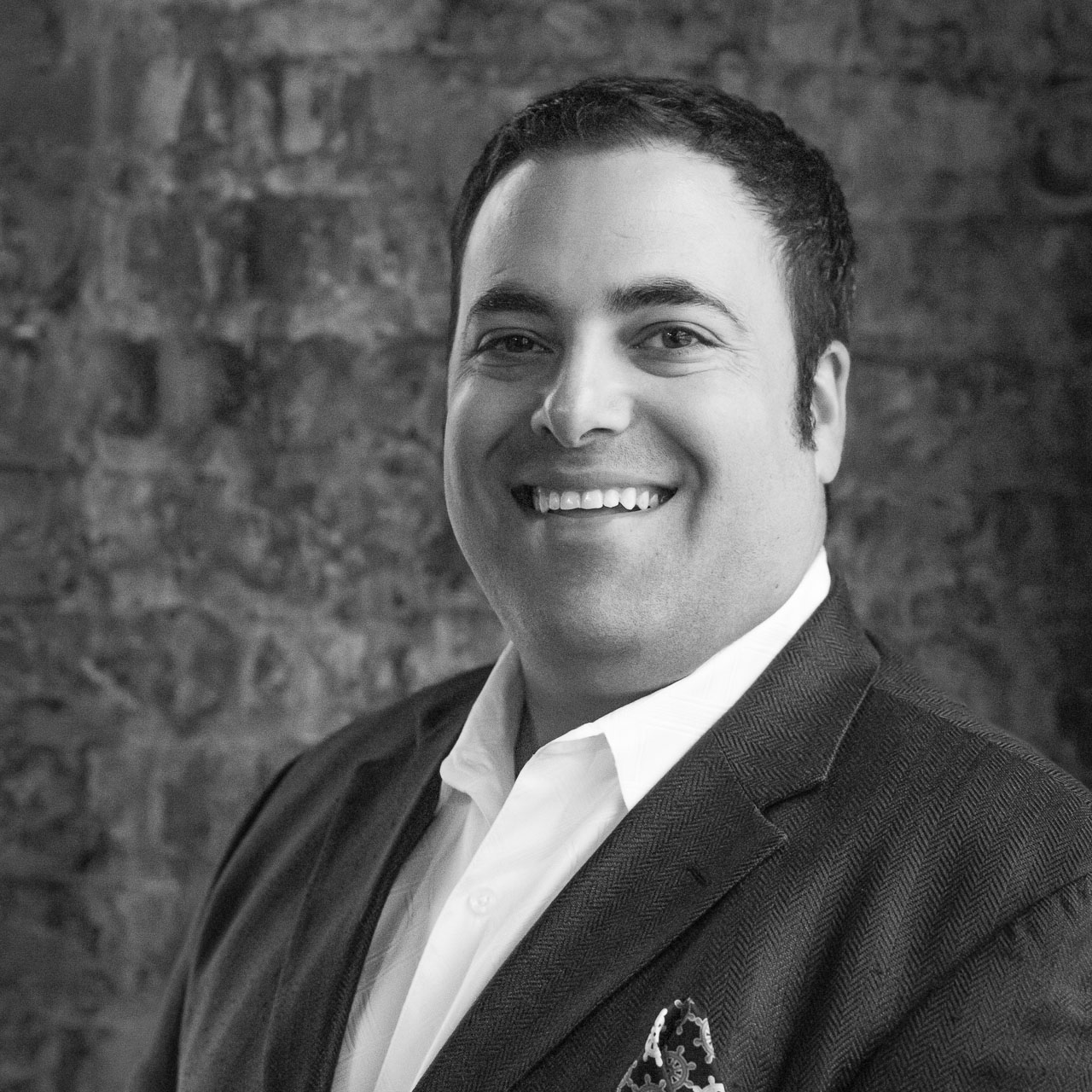
![Behind the Booth - Illuminate at NeoCon, Part I of II [Ep. 38]](https://episodes.castos.com/66889601ede0f5-02583431/images/2559653/c1a-6r61m-25o0rkgdsx9q-omk4ms.jpg)