Episode Transcript
[00:00:02] Speaker A: Welcome to the podcast about Lighting Matters. Our unflinching conversations uncover the nuances and complexities which shape the craft of lighting design.
[00:00:11] Speaker B: We explore the pivotal whys behind a lighting designer's choices and find honest answers to your most challenging lighting questions. Because lighting matters.
Welcome to the Lighting Matters podcast. I'm so excited that you've decided to join us and listen to today. My name is Lisa Reed and I'm with Reed Burkett lighting design in St. Louis. And I'm here with my co host.
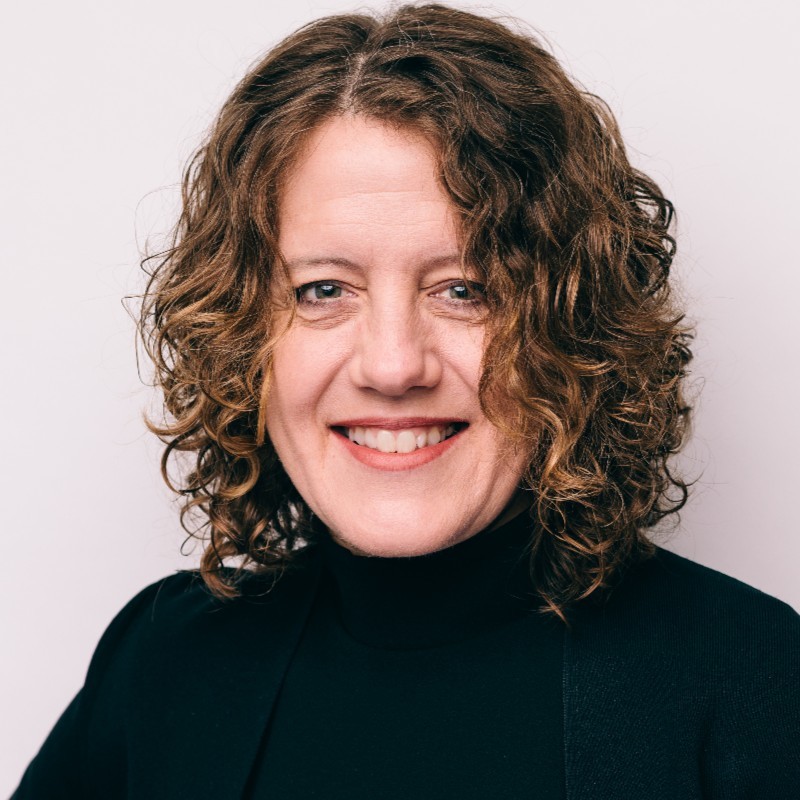
[00:00:39] Speaker A: Hi, this is Avi Moore with Moore Lights in Chicago. And I am very excited to have with us today Jen park with Park Fowler. We go way back and I think my most memorable experience is the AIA Chicago had the, like their own version of the business forum.
I don't remember what they called it.
[00:01:03] Speaker C: Transform.
[00:01:04] Speaker A: Transform. Which is really great.
And Jen is not a lighting designer, so we love having non lighting designer opinions on the podcast.
Jen, thank you so much for taking a little time and joining us today.
[00:01:18] Speaker C: Yeah, no, it's great to be here. I'm excited to have this conversation and it's pops up all the time in my field as an architect, and yet sometimes also it can be quiet in terms of talking about lighting design too. So I think we'll get into that. But I'm excited to share some stories with you guys.
[00:01:41] Speaker A: Awesome. So tell us a little bit about yourself, how you got to Park Fowler creating Park Fowler.
[00:01:48] Speaker C: So Park Fowler is myself and my partner Brad Fowler, and we have about a team of 20 of us in our practice in Chicago. We actually started the practice as Park Butler plus now three and a half years ago. Prior to that, we were partners at Brinstool lynch, which was a firm that was in Chicago for about 35 years.
And we were managing partners and transition that firm. As the partners decided. David Brinstall and Brad lynch decided that, you know, it was time to handover.
So it's been great to have the history of work behind us that our predecessors had been able to kind of pass over to us. And then we've been able to take it from there, grow the practice, kind of be future forward and think about the values that we want to bring and how we want to shape the practice now. So I think the lineage there for sure is design matters.
And I think that we have always been consistent about putting that at the forefront. I think that's what distinguishes our practice from others. And I think that our clients really appreciate that we're able to kind of think at that level and really do what it takes to prioritize good design.
[00:03:09] Speaker A: I know we talk about Lighting Matters on the Lighting Matters podcast, but I think it's also interesting to. To take a quick moment and talk about that transition, right? Like, how was that being a partner in the firm, a principal in the firm, and then saying, okay, they're out now. We're going to do the new name. We're going to do a name transition. We're going to have. How did that work out?
[00:03:32] Speaker C: The part I did leave out is that one of the partners, Brad lynch, did pass away unexpectedly. So our transition was in the works, and we, you know, had our agreements, and we have basically, you know, we were going to buy out the partners.
So that was in the works, but it was, like, accelerated at that moment, in which then we had to make decisions real fast and big decisions real fast.
I probably have never spoken to as many lawyers and business financial folks and bankers and you name it, in that area that I have in my entire life.
So in a short period of time. But, you know, I think once we got through some of the practicalities of things, and when Brad Fowler and myself, we decided, you know, listen, we are going to commit to this. Like, we. We could have. We could have walked, right? We could have been like, oh, no, this is too much. Maybe we're not ready for this, or something like that. But I have had iterations of my own practice previously. Brad Fowler comes from a very entrepreneurial family. So we had it in our blood, I think, and we said, you know, listen, like, we're going to do this, and we're all in. I think when that happened and because of the passing of Brad lynch and, you know, David Brinstuhl was the partner that was pretty much already retired, right. And he's emeritus to us. He still kind of hangs around. He comes to our parties, is what he does. You know, there you go.
[00:05:07] Speaker B: That's a good gig, if you.
[00:05:08] Speaker C: Totally good gig, right?
[00:05:10] Speaker A: I am the partygoer.
[00:05:11] Speaker C: Exactly. That's what I aim to be, too. When I retire, I'm just going to be the partygoer. But, you know, it was a good time to rebrand, as you said. Like, that was like a way to say, okay, let's put a fresh take on this. We can still honor the legacy and the history of our predecessors and all the things that they conveyed to us, but it was a good time to also say there are things that we would like to shape and put our stamp on. And so we made quick work of being able to do that it was a good refresh for us. It was a good refresh for, I think, the staff. And so far, I think it's been working out pretty well. You know, I was worried that, like, all those quick decisions, you're kind of like, oh, my God, what if, you know, if we didn't make it the right one? But I think we were very diligent in playing out as many scenarios as possible, understanding all the risks, you know, and so, you know, three and a half years in, I feel like, almost, like, impressed with myself, you know, like, hang on, we're still alive, you know?
[00:06:17] Speaker B: Yeah, I was about to comment on that, because I've been through something like that a couple of times through acquisition myself, and three years, it feels good. It feels like, okay, we did that, but it takes a long time. The first year and a half is, I don't know, in my experience, is rough. There's just a lot of bumps, whatever they are, you know, different things.
[00:06:38] Speaker C: Yeah. And, you know, one thing I did learn from transitioning firms, and I've said this to others who are going through similar, that as we took over the firm and things, we really thought that we were going to have the clients that Bristol lynch had would also kind of transition over and the projects, like, continued on that we had.
But it was very. Yeah, we realized that, like, a lot of the clients, they, you know, they stuck with David and Brad. They were. They had that relationship built in there.
So that was one of those moments where we were like, oh, wow. No, wait, hold on. They may not come with us, you know, so we got to hustle. We really need to, like, you know, but it was so. It was like a kind of a shove you out the door and you're just going to fend for yourself all of a sudden. Right. Like, you know how that kush of that stuff. But that's, I think, where I feel very proud, because now we do. The clients are our relationships, and we made those things. We just put in a lot of effort in those early years.
And the return, I think, is showing now, where I feel like now we have a track record of this, and we've gotten a lot of new projects, and we have our own set of clients that have a relationship with Park Valer Plus. Right.
[00:07:57] Speaker A: So you said design matters.
We talk a lot about lighting matters on the podcast, and I'm wondering how. And you kind of were alluding to it a little bit, but how lighting matters in your projects and how it comes about maybe early in the process, as you're thinking about putting a team together or just schematic design. Oh, we gotta figure out how to light these spaces.
[00:08:25] Speaker C: Our practice, we're thoughtful designers, and I think part of that is being thoughtful, not just at the big conceptual stage, but all the way through the details and then stitching everything together. Like, as architects, I feel like we are weavers, right? We're taking a lot of the components and we're making them into one beautiful, cohesive composition. And part of that weave is lighting, amongst all the other parameters, all the other inputs, all the other consultants.
And everybody has a place, right? Everybody has their expertise and things that they bring. And it's like. But without that one string, right, you have a. You have gap, your pattern, your composition is off.
And lighting is one of those critical woven moments, because the way in which we conceive of space as architects is one thing.
And I think everybody thinks, oh, yeah, well, you obviously need structure, you need the cool. Those are the basics.
But I like to think that is. You go, you know, the real power of what we do and how we shape space is experience.
And lighting, I think, is just that is that perfect tool to help refine that experience, to enhance it, to shape it, so that people really are feeling the best impact of, like, what you've created. And I often think, though, it's in the details, too. Like I said, the way I like to think of good design at the detail level is if we did it right, you won't see it. And I think lighting in one of its best moments is that kind of. You don't perceive it necessarily. Right. I think there's a misperception, maybe a common misperception to anybody who's not in our industry that lighting is like, just decorative. It's like that cool light fixture, whatever it is, or the things that you can see. But the best lighting, you know. You know. You know, I think is the things that you can't really see, but it does the work. Yes. You know, when we're talking to clients, I like to say, okay, I know you. This is a fun stuff, is the decorative stuff. Right? But we're doing all this work to create and shape a space, and part of that is to be able to layer it, you know, with that nuance, and be able to kind of have the control of that, too, that experience.
And you're going to do that through lighting. That's kind of the way I like to think of things. And I think that's why it's. There's such a science to it that I don't even attempt to like, like, I mean, you know, I can like look at the photometric like chart and be like, sure kind of get it. But like, I don't know what to make of it. Like what's not.
[00:11:15] Speaker B: There's that photometric aspect of it. But I would love to hear more about how you talk to your clients. And also I think you teach. How do you talk to students about it? Because that's the thing that we are constantly bumping up against is communicating what lighting design is and that it's not just fixtures and photometrics, but it is shaping space.
[00:11:37] Speaker C: So. Yeah, yeah.
[00:11:38] Speaker B: Any other tips?
[00:11:39] Speaker C: The way that we start to talk about it with students I would say is like starts with daylighting.
[00:11:43] Speaker A: Right.
[00:11:43] Speaker C: With things that just the environmental conditions, I would say actually it's probably hard to even get them to think that much. Right. In oftentimes. Right. You are always thinking about like how you position your architecture, you're building your massing with solar orientation and how do you just capture that? How do you understand what the just environment and working with that which is consistent. Right. And you can, you can digest that, you can get that and you can then understand where do I put apertures or where do I want shade and things like that. I wouldn't say we start there with students and if they can grasp that and if we can get into the interior environments, then I mean, I think it can range. Really, it depends like how far into it, like are we taught, you know, controlled lighting? I think I always just say it's difficult to get into that conversation with students as young designers, they start to approach that better and understand that better and how to stitch that together. On the flip side with clients, I think it really ranges and it depends on the client.
[00:12:48] Speaker B: Right.
[00:12:49] Speaker C: We have like in our office we have works that we do work with, that we do with developers, multifamily development, large scale, you know, hundreds of units. Their goals for a project are different than an institutional client, our university client, a cultural institutional client. It's almost like a spectrum kind of. Because at the utmost, I think the clients that maybe have the most sympathy for lighting are those cultural institutional clients that know like they are dealing with artwork, gallery spaces, they know the nuances of color enhancing or not or how, you know, they know they have to deal with that environmental condition. They have to deal with the interior to such a fine tuned degree. And then I think it kind of like goes down the scale. And to be honest, I think the hardest conversation and hardest people to convince are the ones that are in development. Right.
They have financial goals honestly to meet and the best of them, which we hope to work with. Now, we do have clients in this space, which is that they are both financially driven but also appreciate really good design and they are ready to, like, make that investment.
So again, like, it's like if they, if, if you value design, I think it's not a hard conversation to have. But if you are dealing with folks that don't really have, you know, design is not high in their list and it's some other priorities, it's just going to be a much more difficult conversation.
Yeah, I mean, I think we try to advocate all aspects of it, you know, to find some way in which we can preserve design. Right.
Even in the projects that are really tight on budgets. Right. Too. So we have to think about. I think budget is also a driver too.
[00:14:44] Speaker B: Sometimes that's just a design constraint.
[00:14:48] Speaker A: I think it's interesting. So there's like two great conversations, and I'm hoping we can start with the student side, which I think is really interesting because recently I was at a conference. A gentleman came up to me and he was recently out of architecture school, I don't recall where. And he was talking about exactly what you were saying. Right. It's all about massing and position of the building and you know, what daylight's going to do to the building. And I asked him of what I thought as a lighting designer, a very simple question is that, do you start thinking about how much daylight gets into the center where you need to then add electric light? And his first response was, what do you mean artificial lighting? I was like, whoa, whoa, hold on. There's no such thing as artificial lighting. It's either daylight or electric. So please, if you learn nothing from me, just take that.
[00:15:41] Speaker B: It's still real light. It's just electric.
[00:15:44] Speaker A: But he said, no, we never talked about that. And it shocked me as a lighting person because I think of daylight as luminaire number one and sunlight as luminaire number one. The sky is maybe 1a or two, depending on the situation, but then just beyond that, it goes away or it becomes so much on one side where then you need electric to fill in.
And, you know, it's something that I'm wrestling with constantly on some of our projects where experienced architecture teams saying, oh, yeah, the whole building will be daylight. And 20ft into the building, you went from a thousand foot candles to two, and that doesn't work. Right. And you see all these beautiful daylight renderings.
[00:16:35] Speaker C: Yeah, sweet.
[00:16:37] Speaker A: But When I'm standing at the top of the escalator, can I actually see that first stare when the sun is. You know, the glare discussion. Right. Yeah, maybe that's a high level conversation. You know, that's not student level, but,
[00:16:52] Speaker C: you know, as a longtime educator, I, I would say it's not out of the realm of what they should be learning and can learn. But it's like as you said. Right. If you don't get number one, it's really hard to teach number two. I think so. I think that's what I see a lot is I would love to get to number two.
I'd love to get to three and four and five.
[00:17:16] Speaker A: Right, right.
[00:17:18] Speaker B: But yeah, I mean, you do you have limited time with these students? I know most architects and interior designers maybe have one lighting class. Maybe, or maybe it's just a portion of another class or studio.
[00:17:30] Speaker C: Yeah, I mean, I'm trying to think, like, I don't think that I got much of that until I had an internship. And then I was trying to understand general, like I said, reading a photometric chart, what did that mean?
Or just generally understand the differences between different types of lights.
It was still at a very base level, but I think students could take that on at least some of those things.
[00:18:01] Speaker B: And some students, that's the. You find the occasional student who has an interest, gets passionate about lighting and, you know, a good percentage of those end up becoming lighting designers. But yeah, I think it is tough because to start talking about lighting, you have to have a bunch of vocabulary. You have to understand those photometrics like you were talking about, even though that's not really the primary. So I think people get lost in the vocabulary and the, in the early things that you have to learn to really do. The important part of lighting, the other
[00:18:33] Speaker C: way I think about teaching those things is maybe they're not ready to design it, but to understand it. And, you know, I think the best way for students to learn is just to get out there and experience space.
So one of our, one of my studios that I taught for soon to be graduating students, we traveled to New York and to D.C. and it was, we saw cultural institutions. That's the studio was about designing centers of culture. And we went to galleries and museums and we went to the World Trade Center Museum.
We went to the National African American Museum of History and culture. Right. In D.C.
we also just went to, you know, gosh, name any one of the many museums on the Mall. Right.
[00:19:24] Speaker A: Portrait gallery.
[00:19:25] Speaker C: Right.
[00:19:26] Speaker B: Yeah.
[00:19:26] Speaker A: All famous lighting designers. Every single one of those Call out
[00:19:30] Speaker B: a former podcast guest, Scott Rosenfeld, who works at the Smithsonian.
[00:19:37] Speaker C: Exactly.
And in the diversity of what is being shown in all those museums and galleries are different lighting conditions.
And I asked them, how was your experience? What did you think of this space and what do you think contributed to that? And then, you know, some people may highlight it, but if not, I'm like, okay, you know, like even what I think is pretty amazing about some of the.
Sometimes we think lighting is like, oh, just everything's bright, right? It's like, no, no, no. Like the subtlety of things that are diffuse and diffuse light and how they create that and how they shape that. But also you go into like the World Trade Center Museum was like, it's a dark space, right? But you still have to illuminate dark space. Right. That always, to me, like, blows my mind. How in your field of lighting design, how do you design for like, darkness, but still able to like, be luminous enough to feel like you can see everything and that, but also, also be able to maintain that environment that wants to be soft, dark, quiet, something like that.
So I bring those things up, I think to the students, then they're like, oh, the light bulb goes off. Haha, the pun, I know, but light
[00:21:02] Speaker A: bulb, no, it's my favorite crew moment. Right? Light bulb.
[00:21:08] Speaker C: Yeah.
[00:21:09] Speaker B: I taught for a while years ago and I used to have that. They were interior designers and it was their one lighting class and I had them. Journal, just take a journal with you and every time you notice light, write it down. What did you notice about it?
[00:21:23] Speaker A: Yeah, the World Trade center site's such a important one too, where you're coming from the brightness of New York City on a sunny day. And then going down into the exhibit area, right, you have the old walls that are there.
That's. David Lehman did that lighting design.
And then you have the exhibits, but then you have the elements. And then you have the thing that's floating and like there's so many pieces to what's going on there. And then you have the site itself that turns into something at night versus day. And this understanding that what you design as an architect and landscape architect during the day can potentially completely flip on itself into a nighttime strategy with the assistance of lighting design. It is incredible. And once you recognize that and you look at it, you're like, oh, oh, yeah, that's, you know, that's a flip. There's a switch that happened. And, and those are all like, great.
So, so different museum environments to just appreciate the design of those spaces. Plus lighting and materiality and finish and people movement and all that. Very, very different.
[00:22:39] Speaker C: Yeah. And I think those spaces, you brought this up, the inside to outside relationship and transitioning. I find that also, like, so complex to design for so that it is not so harsh. Right. You don't want to. You're like in bright space, you're in dark space. Like how, you know, you allow for that kind of moment of transition and how you can achieve that. Or unless, I mean, I was just in. We did our spring break with the family in Amsterdam in Paris, and we went to, of course, did the greatest hits in Paris because the kids had never been. So did the Louvre, and we did the Musee d'. Orsay. And I love the Musee d' Orsay because it was actually like. It felt like outside was in, inside was out. It didn't have to. It had the beautiful kind of diffuse, kind of barrel, vaulted skylight in the main space. And then it softened into the gallery spaces. Right.
I think lighting just like the control of it, you know, do you want to extend the outside in? Right. And then, you know, like, it helps such the sequence of things to be able to do that, to allow for that narrative, I guess, to kind of stretch more.
[00:24:01] Speaker A: Yeah, well. And then to transition a bit because I think that's a great transition to the stretch of different clientele you were talking about. I think it is a challenge for architects and lighting designers to explain to that developer who's like, yeah, I just need lights because I'm going to sell this thing to understand how valuable the right lighting designer is in capturing the lowest cost to get you the value of the building you want to sell it for. And I think that's a problem. And Jen, you could potentially correct me if I'm wrong, but I think that's a problem that we have as lighting designers that we need to help you as an architect, explain to a developer like that hiring us is not a premium. Hiring us saves you so much money in the end. And really, when you're on a budget, right. You're going to build this building for $1 million and you want to sell it for four. The cheapest thing you can upgrade to make that building feel like a $4 million building is lighting and lighting designers. Can I help you do one of the most important things, I believe, for that developer, which is become the lighting police and make sure that that. And my team will yell at me for saying this, but this the example. I always like to use the $10 downline that you have to have in the unit you're actually paying 10 bucks for. And that's where Ann Kustner always uses that as her favorite line, as being the lighting police. Right. And explaining to that kind of person what that value brings, because then also it brings great value to the design that Park Fowler is putting together. Right.
And again, that end goal, right. Spend a million, sell it for four. How do you do that?
[00:25:57] Speaker B: Yeah, we were just looking at a multifamily. And as so often happens, somebody in the kitchen had dropped the three down lights between the island and the work surface. And that's not where you need the light. That's not the light you need. And you can do this with two if you strategically locate them. So we just save them on downlight in every unit. So that's what lighting designers do, not just come in and gold plate and specify expensive products.
But actually we can help save money. Like Avi said.
[00:26:31] Speaker C: I think it's just getting that messaging out, right.
If they're thinking about what is my ROI and everything, then, you know, that's the case that, you know, you guys could bring forward. And. And I love those precedents, Lisa. Like, yeah, just be like, hey, you know, with this project, we took out however many hundreds of lights and isn't that the cost savings compared to like what you might pay for our, I don't know, design fees or something? Right. It's like, it's strange like in, you know, design in general and our fees. That's a whole other conversation, right?
[00:27:05] Speaker B: We could have a whole show about.
[00:27:06] Speaker A: Oh, a whole show on that. Yeah, I know, but getting paid on time too, right?
[00:27:11] Speaker C: Oh, gosh. Yeah, I know. No, instead of being the piggy. The. The bank or whatever. The piggy bank. That's like holding on to like, I don't know, it's just. Anyways, we're not the bank.
I don't want to be the lender of like. Yeah. Our services. So I think the more often, you know, you. I think again, to. To who your client is, is it's a different.
You gotta figure out what their priorities are and then position what we do to help meet their needs.
I think who wouldn't love being more efficient or cost effective or finding that, you know, also there is that we battle the. Well, we've always done it this way kind of thing.
[00:27:53] Speaker A: Right.
[00:27:54] Speaker C: We've always used this one. So it's should work again. You know, maybe there is that thing that they haven't, you know, like what is the latest, greatest. That's really energy efficient for them too. That they haven't thought about. And that helps in the maintenance of things and the upkeep. Right.
[00:28:13] Speaker A: And it's such a different conversation just in those residential towers of somebody who's going to build it and sell it versus build it and rent it and own it and add it to their portfolio. Yeah, maybe they'll sell it in 10 years or the market changes or whatever it may be. But I think it's so important to understand that. To understand, well, as an architect, as a lighting designer, like, what is the end goal for this project? So you can design it appropriately. Right. And prepare. I mean, you have to have lights. Every single project needs lights. The question is, you know, do you want to find the most energy efficient or cost efficient solution? You know, if design doesn't matter, then then maybe one of those two things matter. If it's just meeting code, great. But I don't think there's a client than any of us have ever had that isn't looking at how much the downlights are. And just that alone begets having somebody look at that one line item. I always say this, and people in the podcast have probably heard it in the past, but I have this theory that lighting is one of those, one of those few things in a building that you can actually count. And it's why it is always easily ve targeted.
Because you can count in a residential building, appliances, and you can count the sinks and toilets and faucets and shower heads, and then you can count doors and you can count lights. You can't count drywall. You can't count the trim around the cabinet, the baseboard. Right. Like, all of those things are just kind of square foot estimates. How many sheets of drywall, how many gallons of paint. But you can click, click, click, click. Oh, okay. And then I can go to Home Depot and see how much that costs. Okay, why is this more than that? And, and I don't know, maybe I'm missing something there, but that's my theory.
[00:30:14] Speaker C: It's interesting. It's an interesting theory you have there. I, I haven't thought about that. I'm like wondering. But I mean, you need lighting, right? So, like, I feel like people question, like, how many lights you need because they just assume because they don't know. Like, and whether we're getting into that conversation of, like, have you efficiently, like, laid out lighting or you're just doing what you've always done before and nobody's questioned it yet. So you can turn, instead of it being a ve thing, you can potentially turn it into being Like a cost saving measure because you are being more efficient and. No, just nobody's looked at it. But, you know, because I think, yeah, most people are just like, oh, well, I don't know. You need it. And I don't know how to like, not have lights. So.
Right. The right lights. I don't know. Like the right lights and is. Is a big thing. And maybe another thing that gets overlooked is. And it comes up a lot like color temperature stuff. And I think you see this as not great all the time. If you. If you don't have someone really looking at this with that focus is that you transition from one space to another and it's like blue over here and then warm over here. I don't, you know, like. Right.
[00:31:29] Speaker B: It's inconsistent. That's when you notice is when it's inconsistent.
[00:31:33] Speaker C: Right, exactly. That's when you notice. Right.
[00:31:35] Speaker B: When you need your lighting police.
[00:31:37] Speaker A: Yeah, right. Or you take it another step. Going back to our daylight conversation. Right. If you have a very warm color temperature with a lot of daylight, because you were designing for the idea of dinner time during the day, it feels kind of muddy and ambery all of a sudden. Right.
But then if you flip the other way and you design for daytime, but then you go to dinner time. Now you' in this crazy blue space and what you want is candlelight, no ambiance, Right. Or the other side of it in like an office space type area.
4 o' clock in December, you got crazy blue light, but there's no light coming in through the window. What do you do there? And just having that conversation and then having.
Feeling it, looking at it during a design conversation, taking a conference room that you're meeting in and saying, okay, this is what we're thinking about for color temperature. And then close all the shades on a sunny day and say, and this is what it'll feel like at 4 o' clock in December, you know, because we're designing right now in that moment versus thinking about the fact the sun moves and the color changes and we still are in the office at 4 o' clock at night.
[00:32:58] Speaker B: There are regional preferences, color temperatures. Such a fun topic of conversation too, because there are regional preferences for different space types. And your eye adapts and sort of white balances to the color that you're in. So if you're going from a warmer space to a cooler space, that cool space feels really cool. But if you're going the opposite direction, then the warm space doesn't feel right.
[00:33:20] Speaker C: So, yeah, I love color temperature.
[00:33:22] Speaker B: It's Fascinating.
[00:33:23] Speaker C: I think it's. I mean, it's a mystery. I mean, to me in general, I just know when it's like wrong.
I'm like, oh, that doesn't feel good.
[00:33:34] Speaker A: Well, it's actually fun. In the coming weeks, we have Neocon coming up and we are going to be showing a lot of these kinds of questions. Very simply, there's going to be some lighting vignettes. And one of them, that one that I'm actually involved in, is going to have all these samples I just learned about material bank. Coolest thing ever. Oh, my gosh. Order any materials you want. It shows up four days later and you can order two of them. Bring it on. So we're gonna have a blacked out space and one. I'm still working on this, but I feel like the one side should say specified. These are all the finishes. I have a light oak floor. I have my favorite white snowbound from Sherwin Williams on one side. And then on the other side it's going to say as installed. And it's going to be totally different color temperature and really terrible color rendering. Same materials on both sides.
[00:34:39] Speaker C: I love it.
So part of our practice, we do our interiors group and we do a lot of material bank and have tons of samples. And quite honestly, our office space, you know, we're in a high rise. We've got these nice bluish curtain wall glazing going on here. But part of our office is also interior. Right. So then it's just based off of that, that quality of light in that room from the overhead lights. And I struggle because I'm like over there. I'm like, oh, this looks great. And then I bring it out over here and I was like, oh, my God, it's totally different. And we're working with, you know, with like soft. If you're working in soft palate, that subtlety, just like it just gets washed out, it goes away. It's very difficult. And I try to think though, about where is this going, right? Like it's going to be within controlled lighting within a unit, or is this going to be exposed to a lot of daylight and things like that. But it's pretty drastic when. When you're trying to work with subtleties,
[00:35:45] Speaker A: take it one step further and think about like McDonald's or Caterpillar. Those colors have to be perfect. And they're almost.
They could be trademarked, however, they're. I don't know exactly. But if you start to extrapolate those colors into the interior environment with other elements, and then it's not that color that becomes a challenge without having the right light. Right. Ultimately, lighting, we only see that color because the light we are experiencing has that color and is reflecting back into our eyes. Right. The technology side of seeing that light. And I think it's a common experience. It's, again, not necessarily something a developer who's racing to the bottom would care about.
But as we start to get into the institutions and some of the corporate clients and other things, it becomes something really important, and it becomes something of a. Well, who's going to manage that? Right. Who's going to take what your interiors team is doing and make sure that the interiors team understands the light that exists and make sure that the finishes, when they get installed actually look like what they look like when creating the boards and getting client approval.
[00:37:04] Speaker B: And we got engaged one time with a client whose color was red, and they had a museum and some of the historic elements. The red was fading. And so what causes the fading is the radiant energy that's absorbed by the object. So you want to minimize. You still want it to be white light, but you want to minimize the radiant, the colors that are absorbed, so that you protect the item from fading, prevent fading, you know, so it stays that color as long as possible. I mean, so that's, like, really nerdy, fun stuff.
[00:37:38] Speaker C: Yeah, we're working in. Well, yeah, I can't say yet what to say. Special project on Michigan Avenue and Lux Popoli. You guys, Thomas. Oh, you guys had all the show.
[00:37:50] Speaker B: Thomas has been on the show.
[00:37:52] Speaker C: Yeah, yeah. So we're working with him on this. And it's fascinating learning so much. I mean, I think I learn a lot from all our consultants. I. You know, those conversations. But, you know, because it's a challenging space, you know, and how to maneuver. This one is, like, also filled with daylight, but then we'll have an. You know, becomes evening, and people are still occupying it, and it's tall and voluminous, and it's just like. I mean, I don't even know. And the lighting, you know, currently is 20 years old or something like that. And so we've been having really great conversations about the possibilities of things and how to enhance what we're doing architecturally and on the interior environment and exterior, too. So I'm always learning. I'm enjoying that part of things. That's why I'm an architect, you know, because I feel like, back to the weave, you know, we got to weave all these parts in there. And to do that, well, we have to understand at least a Baseline level of some of that stuff. And then we rely on you all to really finesse and fine tune and put your expertise on things.
[00:39:04] Speaker A: It's a verb. You're architecting. Right. I mean it's putting it all together.
So to that end, we have come up with a theory on the Lighting Matters podcast that I'd love to run by you, which is this idea. In the built environment, there are four visual professionals that shape the space. You have the architect, you have the interior architect, you have a landscape architect and a lighting designer. Does that potentially play with you?
[00:39:36] Speaker C: I would drive with that. I mean, you know, the visual space. Right. What are those, who are those people orchestrating that? Right. That those four, I think, shape that. And you know, if you, if you take out one, it's, it's a different environment, different experience and they all lean on each other too. You have to kind of integrate and you have to have that. Like how do they work, you know, in concert with each other.
[00:40:01] Speaker A: Yeah, it's the four legs of the table. Right. It's not really a tripod because there's four. It's something, something we've been working on. We, we like to ask all the non lighting designers who join the podcast because that kind of leads me to the other question I would ask you is, you know, what would be your recommendation to the lighting design community? Not to More Lights or RBLD or Lux Populi, but to the lighting design world to say, look, this is what I need to get my clients to understand how much I need you.
[00:40:35] Speaker C: I mean, I think we talked about some of it. I think depending on the client type, what are their goals and then meeting that. If it's, you know, turn on investment, you know, and it's a numbers game, okay, we can work that up and show some case studies for how we were able to accomplish that for other clients. I think maybe it is just helping to enhance the space and the, your expertise in like understanding, you know, certain light is going to corrode the red or whatever. I don't know, like the, you know, and, and then I would say there is those well intentioned clients that maybe just don't have the budget, you know, and so what do you, what are you able to do effectively for them too, that they desire it. But you know, how do they get that to really enhance what they're doing? Like I think about like all the not for profits that we, we work with and things like that. They value design, they want to have it, but can we work at their budget so that we're not just. I think about this for architecture all the time like this. We're not just being exclusive, you know, we value good design. Good design should be shared with everyone.
And I think that's not to say that we shouldn't get our appropriate fees for things, but we can also figure out a scope of work that works for them, that meets their budget, that gives them an opportunity to showcase design. Right. So that's where we meet in the middle on some of those.
I also think clients really love before and after kind of things too. And they like to see it like, you know, and I think you guys would have great visuals for that. It's like the space without, you know, like blue light versus like, you know, this light, which, you know, what do you like that? Like, this is something that was like, oh, gosh, do you want this kind of space or doesn't this feel better? Right.
And I think they react very quickly to that.
[00:42:32] Speaker A: One of the vignettes I've really been fighting for is a very simple one that's just basically a little table that you can put your hand on. And when you put your hand, it will be lit by 5 foot candles, 25 foot candles or 50 foot candles, and they'll be all right next to each other. I mean, just putting a feeling to that number.
There's so much conversing that happens in our profession up in theory versus like feeling it, touching it, experiencing it. Right. I mean, Jen, you started with it. We create experiential environments. Even that residential high rise built for a million and sold for four is an experience you're creating. When you walk in the door to get somebody comfortable with paying you that rent or buying that condo in that building, it starts at the front door. Right. Well, location, then the front door, the lobby. Right. Like it's the whole experience through, but feeling it and seeing it. And I think that's part of what you're saying, like befores and afters tell the stories.
[00:43:43] Speaker C: Yeah, I mean, you can see that. I mean, if we work in the visual space and we're the four legs of the table, we should give them the visual space, right?
[00:43:50] Speaker B: Yeah, you gotta show them. That's why we're excited about these vignettes at Neocon. That's why we have, in our studio, we have, you know, the color temperature. Changeable color temperature, just so people can see it. Because you have to, you have to feel that.
[00:44:03] Speaker C: You can't.
[00:44:04] Speaker B: Yeah, you can't write that in words.
[00:44:07] Speaker C: Right. That's true.
[00:44:08] Speaker A: But I think the Other piece of this that I'm, I'm really excited about you kind of putting more emphasis on. Jen and Lisa and I have been talking about this a lot is more publicity about what lighting designers do and the value we bring.
Just the other day, and this is the first time I'm going to talk about it. But just the other day this idea of lighting designers involved with architectural awards came up in a conversation and I quickly chat GPT it and just some quick information. Over the last 12 months, of the hundred projects that won architecture or interior design awards via AIA de Zeen, you name it, zero had listed on the awards websites that lighting design or lighting designer was involved.
[00:44:56] Speaker C: Oh really?
[00:44:57] Speaker A: But thanks to ChatGPT, no accreditation, I was able to force it to search every single one of those jobs and add. Lisa added the great idea add dash lighting design on all hundred projects and every single project linked to a lighting design firm or a lighting designer who was involved in the job.
So what's really interesting and what was crazy to me in my private chatgpt world has gotten to know me pretty well. It really said at the bottom, your problem is not presenting the idea that all of these projects that won awards that everybody's excited about had lighting designers on it. The problem is, is that nobody knows lighting design exists, let alone if they were involved in these projects to make them successful and to get them to win awards. And this was just last night. I mean it was kind of this extended eye opening scenario that it really comes back to publicizing and educating the clients and the customers the value. And it's not that it's expensive.
[00:46:10] Speaker C: Well, okay, maybe, maybe it's a choice of the architect. I know you're supposed to list your team members and your consultants. Maybe this is a thing to go back to AI Chicago because I think on other award submissions, like maybe national, you're like, you're supposed to list all your consultants, right? And I certainly have listed my lamy designers for projects that I understand that this big part of it. So I'm wondering do we need to be more specific about that? And maybe it's a product of sometimes, oh, they just want, oh, list only five consultants or something like that. When projects are complex and everybody deserves recognition.
So it could be much more explicit about that, that the team is a team and it should be everybody that was in that under that umbrella for sure. I'm so surprised by that.
[00:47:04] Speaker A: When I was on the AIA Chicago board, I brought that up to the awards committee and there was a lot of Pushback on. Well, why would we add that? This is a architects award.
And it took, I think my stint was four years, and I think it took the right person to then become in charge of the awards to say, absolutely, we should include that. But what was so interesting in 2025 awards, Lisa and I actually sat next to each other, and you could tell which firms listed all the consultants, because they'd all be listed. And the ones who are just like, yeah, we did it, and here's the photographer and here's the gc. And I think there was one Lisa that you said, oh, yeah, we designed that. And your firm wasn't. Wasn't there, you know, like, not to call anybody out. But it's twofold. I don't blame aia, and I also. I don't blame the architects submitting awards.
I come back and blame the lighting community. 47 years old, young guy. This industry has been around a lot longer, and this idea of being the fourth visual professional, you know, in the theater, you can't do a stage production without a lighting designer. We talked about this a little bit, right? It's a black box. There is no light on that stage without a lighting designer. So there's always a lighting designer. It might just be house lights or whatever, but there's a lighting designer. I blame the lighting design community, the people higher up. Right. The AIA equivalent to our group to say, look, isn't this your job to elevate? And we just need to use this podcast, use the conversations, you know, and. And make more available to then get that elevated. I don't think it's fair to go to dezeen or to AIA Chicago and say, look, you always have to have lighting designer listed, and whether that's the rep agency or an electrician, it doesn't matter.
That's not their place.
[00:49:13] Speaker B: Yeah. And to their point, it is. It's architecture awards. It's not lighting awards.
[00:49:18] Speaker C: Yeah. I mean, it depends on how you. I think I've seen architecture and what it is and what we conceive of as an architect evolve in my time. And I think that, you know, our predecessors were the staunch. Like, I'm sole architect. I have the vision, you know, and.
But me, myself, and I. However, I think now, like, I. I don't come into. And I said this at the front, right. I feel like as an architect, we're the orchestrator, right? We are the conductor. The conductor. Yeah, we are the conductor. And we are weaving all of those musical instruments together to make one beautiful musical ensemble. And I mean, I see the work that we do in that way, we have a vision for things and we have a spatial acuity and of course we have talents in that sphere. But it doesn't mean much if you can't get your team to work in concert together, to work together, It'll fall short. And this is also where I think if you can do that and everybody's kind of got that same kind of baseline value of things, like all the team members, then you, you make beautiful things. If some people are locked out of that kind of framework and feel differently, that's when you have, you know, you're fighting your battles. And that includes a client and that includes GC too.
[00:50:47] Speaker B: Exactly.
[00:50:48] Speaker C: I say that because being the conductor, we as architects and everybody as designers, you know, we have to value and respect everybody that is contributing to the team. So, yeah, I think, you know, this is the podcast that you guys are doing is a great way to kind of get a better understanding. Right. This is a lot of it is getting an understanding out there to an audience and having them see it through your lens, be it somebody in the field of design or someone outside of that. You have to gain that awareness. Right. And then I think people can start to also help in that promotion of what you're doing while you are also self promoting, while you are also getting your community to try to voice that better for yourselves.
But yeah, I mean, I think I've learned that working through communities, you know, trying to diverse communities and elevating women too. And in our profession, like, just know that you have to be able to get some awareness out there and talk it through different people that are just less. Less aware. I think there's a misperception that they're against you or they're for you, but that's not it. Some people just don't know.
A lot of people just don't know.
[00:52:09] Speaker B: Okay, so now I'm feeling like Tom Sawyer or Huckleberry Finn. Anyway, so we've, we've recruited you, Jen, to be one of our promoters. And thank you for.
So I hope it's not too early to ask sort of our favorite final question. Do you have a favorite illuminated space or some other good lighting story?
[00:52:33] Speaker C: One of my favorite spaces in Chicago is the rookery and the atrium in there. I think I'm fascinated with that space for several reasons. One, I have a penchant for kind of ornamentation and details and this. That world. I did a lot of research back in the day, maybe when I was at UCLA in That world and really thinking about the evolution of that. And I think it has that quality, but I think that ornamentation, that level of detail, that pattern making that is on the skylights above or the atrium above is really. It's because of the filtration of light, but then how you can enjoy that space, you know, daytime or in the evening. And I'm not sure how controlled of an environment that has become in terms of lighting or not, but I do think a lot of my favorites are in the museum realm. The other one, I recollect that I was like, kind of like, wow, that's really great. Was. I think there's a Chipperfield Museum, the UMEX Museum in Mexico City. I know it's very David Chipper building, like, just creates these beautiful volumes of space that have some of them have these really deep skylights that filtrate, filter daylight through, but also, like, it's coupled with controlled, you know, lighting, too, such that you don't feel like you're getting daylight here and you're walking into another space. It's just, again, like, I think the best ones are where you don't notice it. You just feel that wonderful ease of transition and you navigate through space and you kind of softly led into kind of a darker, you know, introspective zone and then brought back out, you know.
So, yeah, I think one of the reasons I love working with cultural institutions and shaping those spaces is because of that. And then there's the challenges, right, of like, how do you seamlessly make that happen?
[00:54:33] Speaker A: So amazing. Well, Jen, thank you so much for taking a little bit of time to join us today. I know your time is very valuable.
We're trying to get the word out and get people to understand the value of lighting and lighting matters. Right? It really does. And thank you so much. I really appreciate it.
[00:54:54] Speaker C: Yeah, well, this was a lot of fun. Thank you guys for having me.
[00:54:58] Speaker B: Lighting Matters. As we wrap up, we want to reiterate how much we value your time, and we hope you found it as much fun. Fun to listen to as we had creating it. Remember to like it and share this content with your friends and colleagues.
[00:55:14] Speaker A: The opinions expressed are those of the participants and do not necessarily reflect the official positions of the sponsors. Our content has general application, but we recommend obtaining personalized guidance from a professional IALD lighting designer, such as RBLD or More Lights for your next endeavor.
[00:55:33] Speaker C: It.
![Zero Out of a Hundred: Jen Park on Why Lighting Never Gets Credit [Ep. 35]](https://episodes.castos.com/66889601ede0f5-02583431/images/2481169/c1a-6r61m-qdpqp25kh3nz-c3gcp1.jpg)